Spring – renewing, restoring

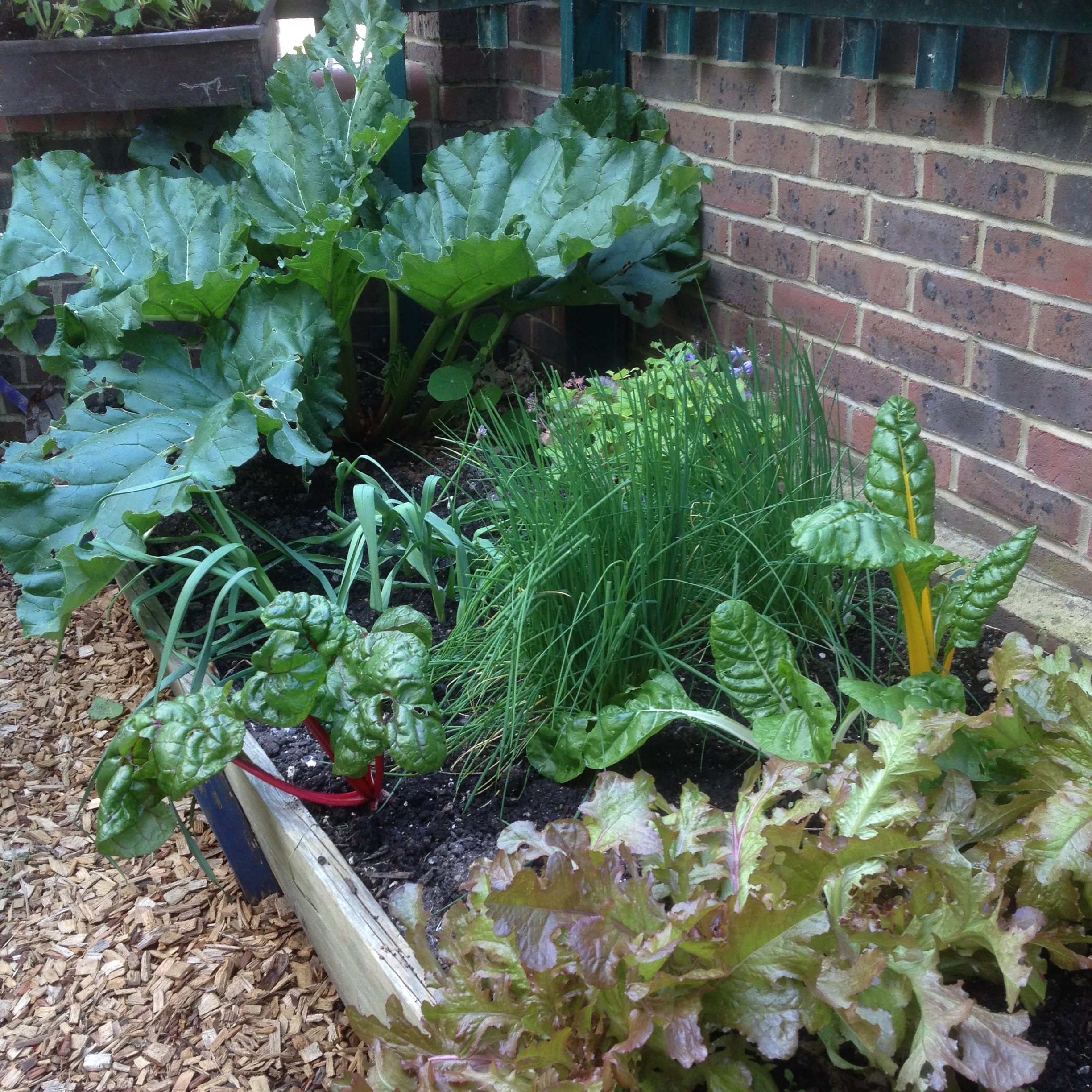
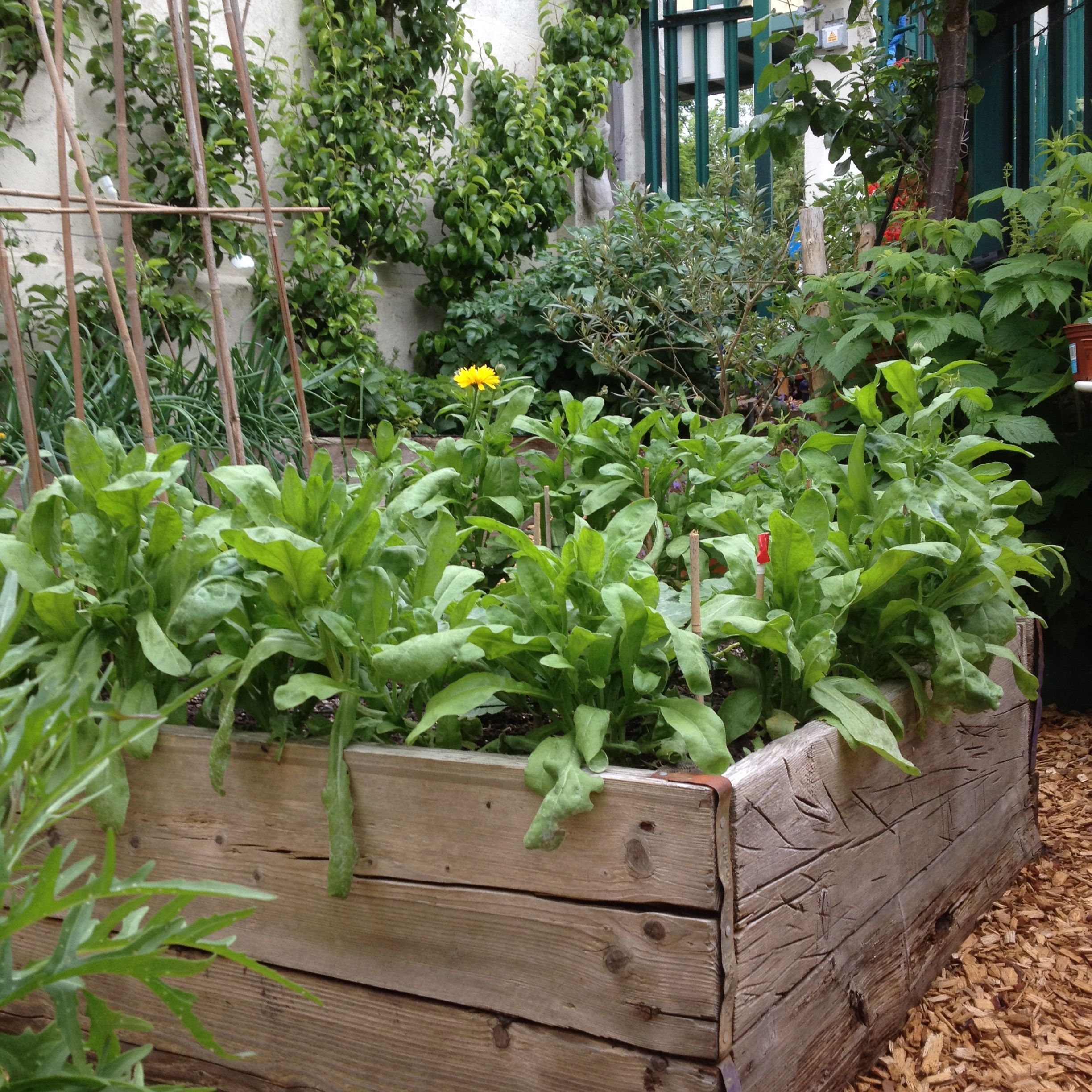
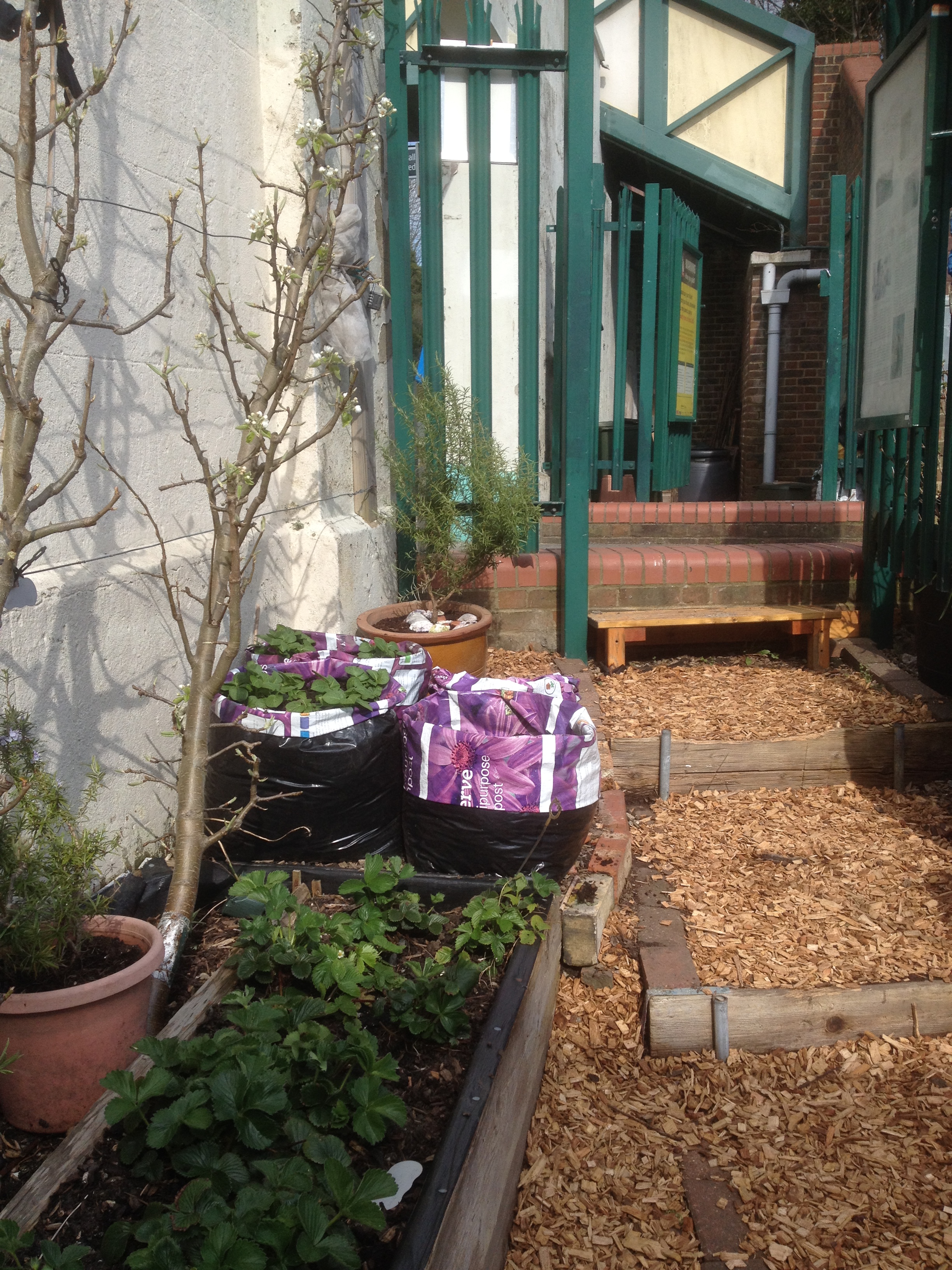
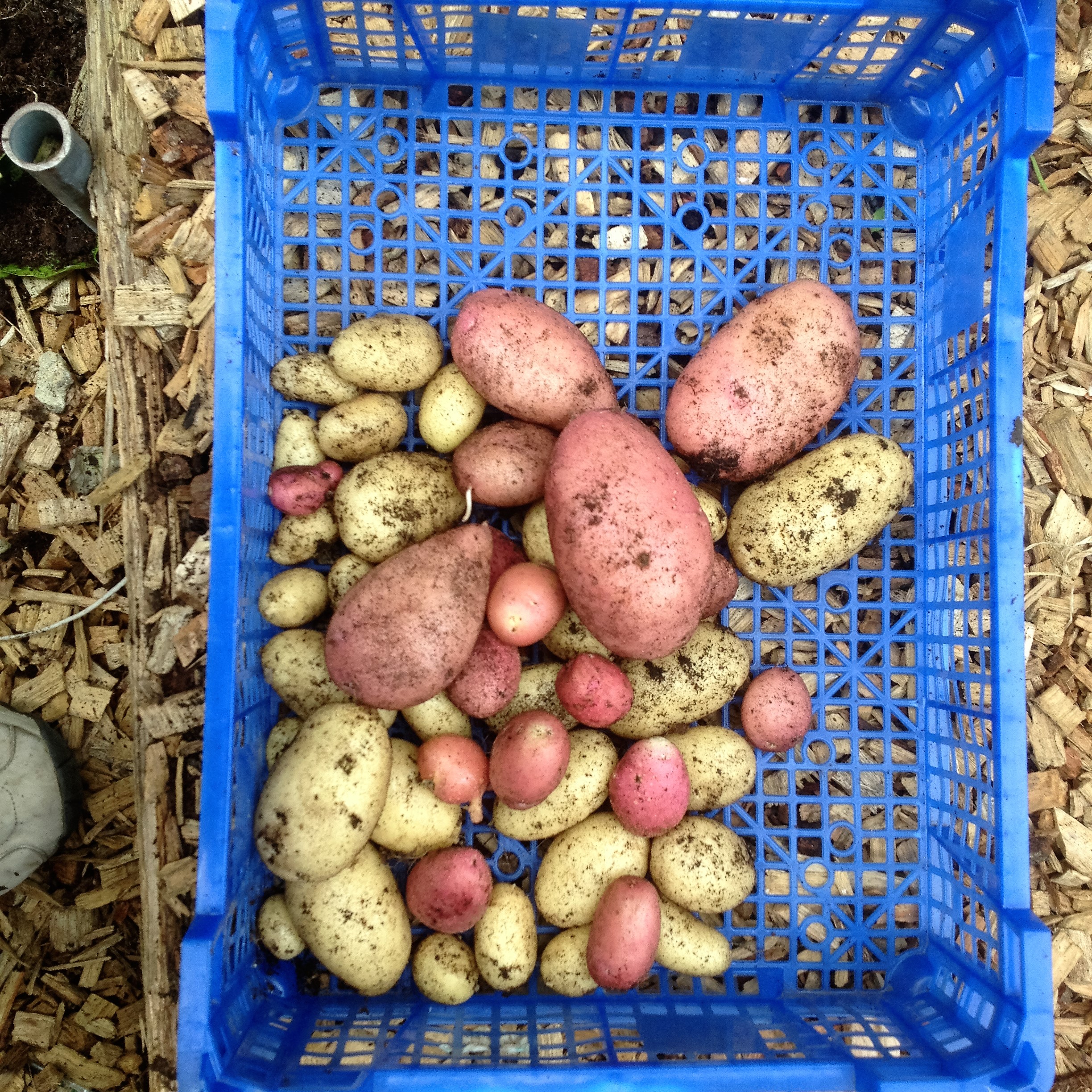
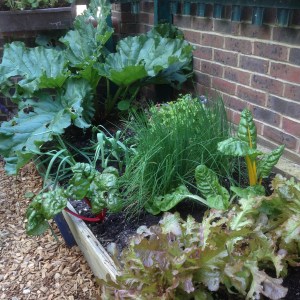
It’s almost the end of March, the evenings are lighter, the days are warmer. Finally, we’ve had some dry sunny days to clear up, renew and restore the gardens at London Rd station.

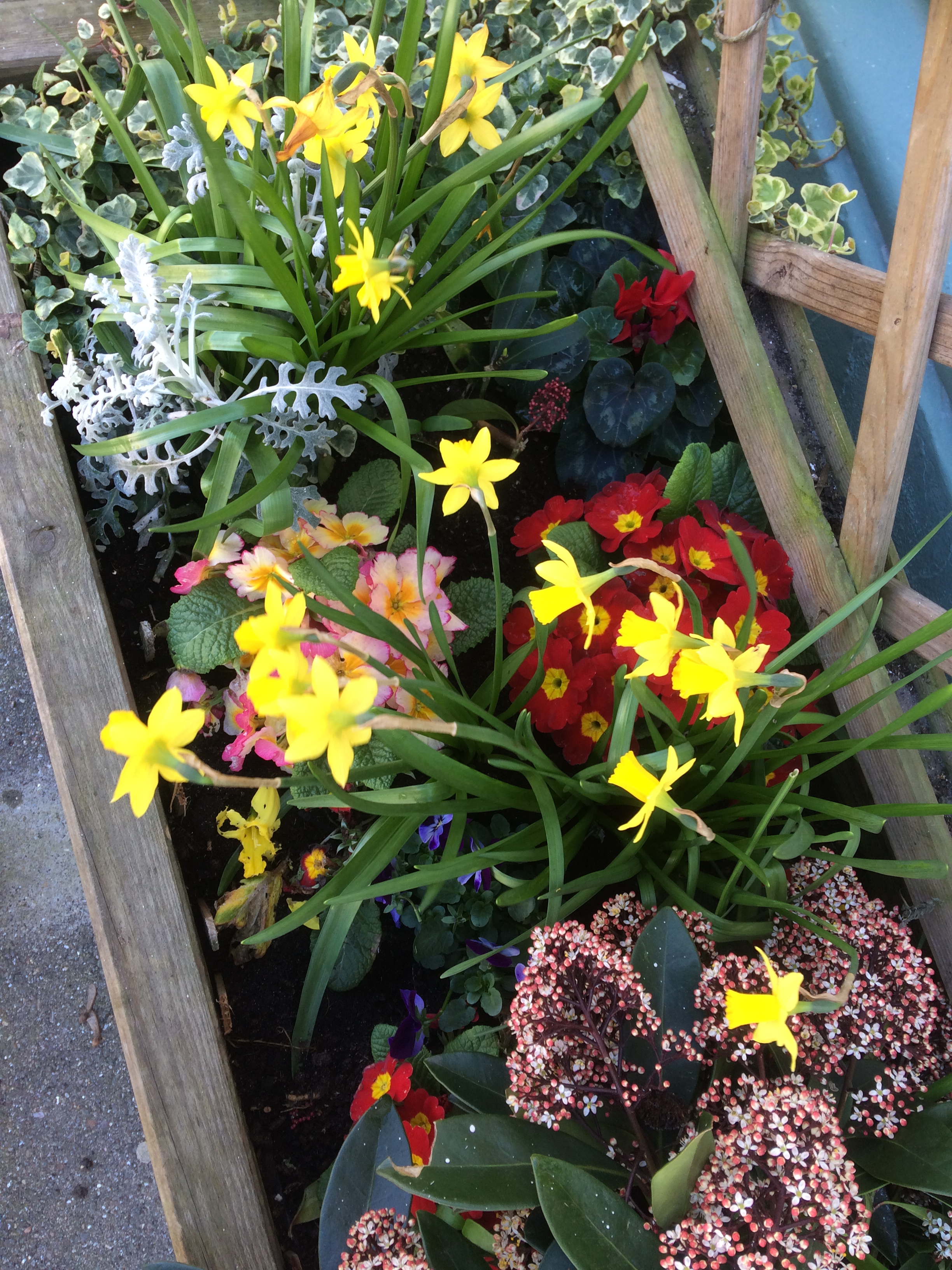
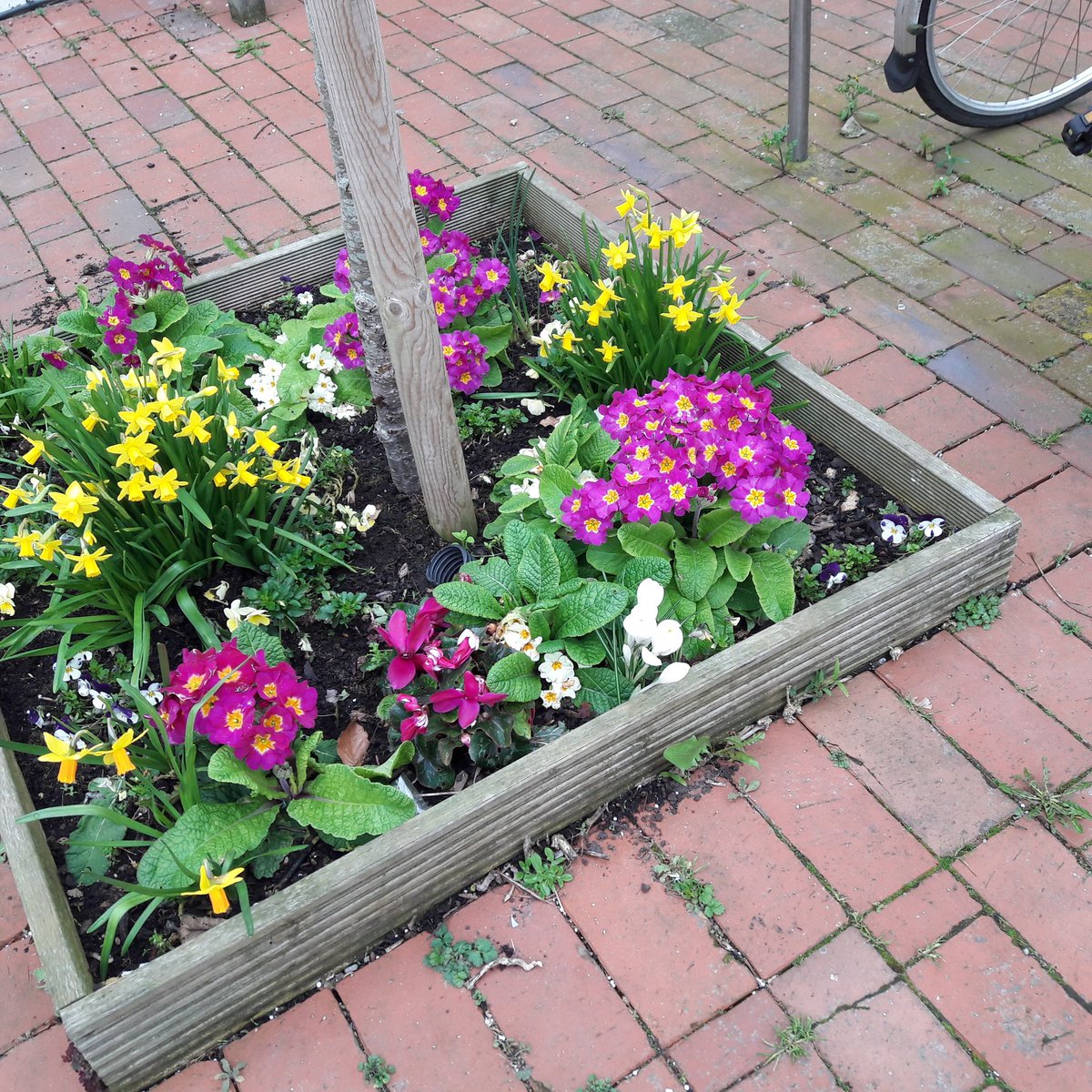
The trees pits and platform planters have been really beautiful this year. Bulbs we planted last year have flowered well again, and the polyanthus have been going almost all year round.

The platform planters – particularly the middle one – are brimming with spring blooms, and the scent from the skimmia japonica we planted last year is beguiling. Unfortunately, the poor skimmia keeps getting sat on and uprooted … and we’ve had to work hard on several occasions to revive it and settle it back in the soil.

A couple of weeks back, we planted lots of new polyanthus and pansies in the shady plot and in gaps in the tree pits and platform planters. So far, we’ve managed to protect the new planting in the tree pits from dogs, cars, pedestrians and foxes.

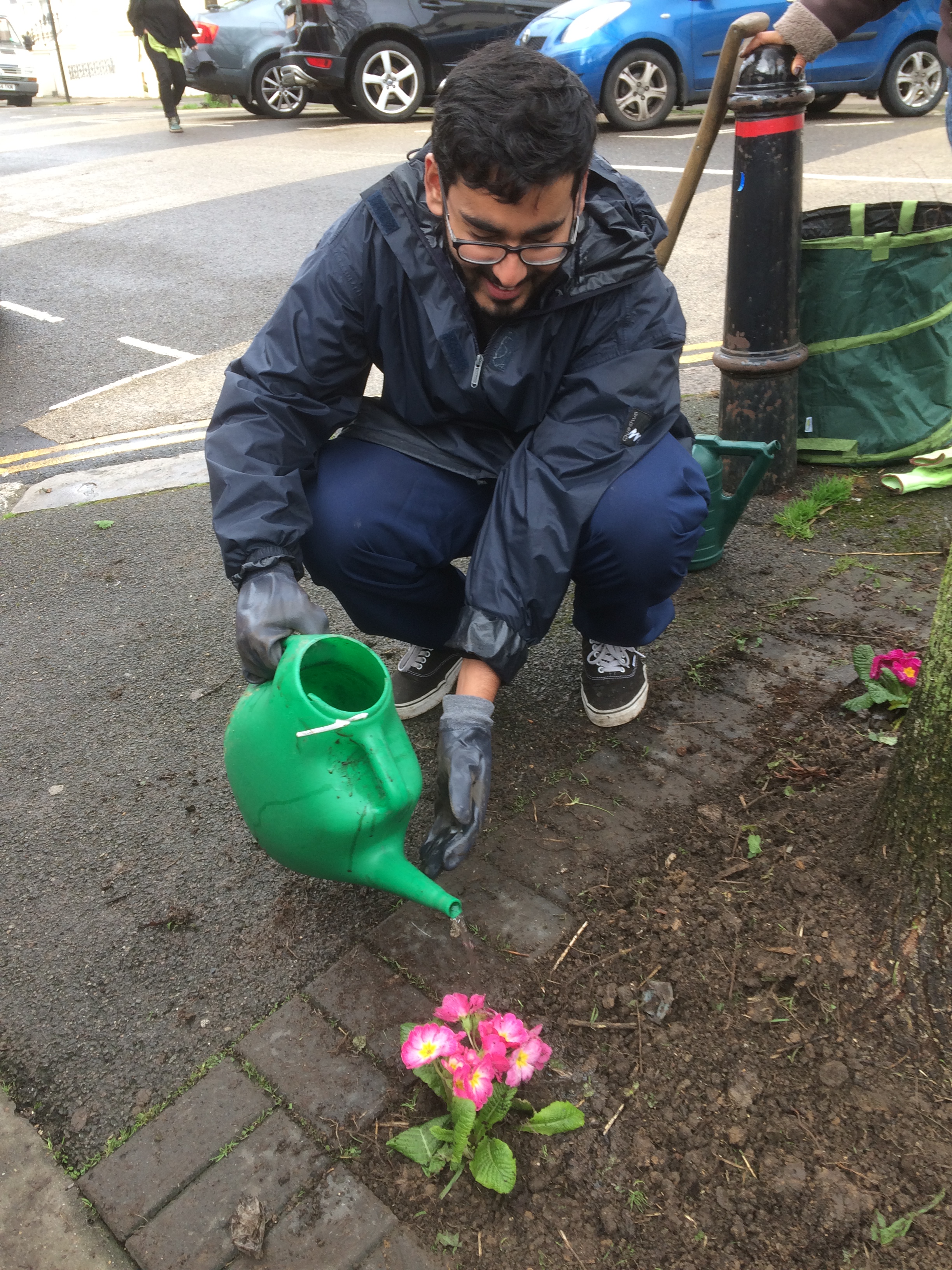
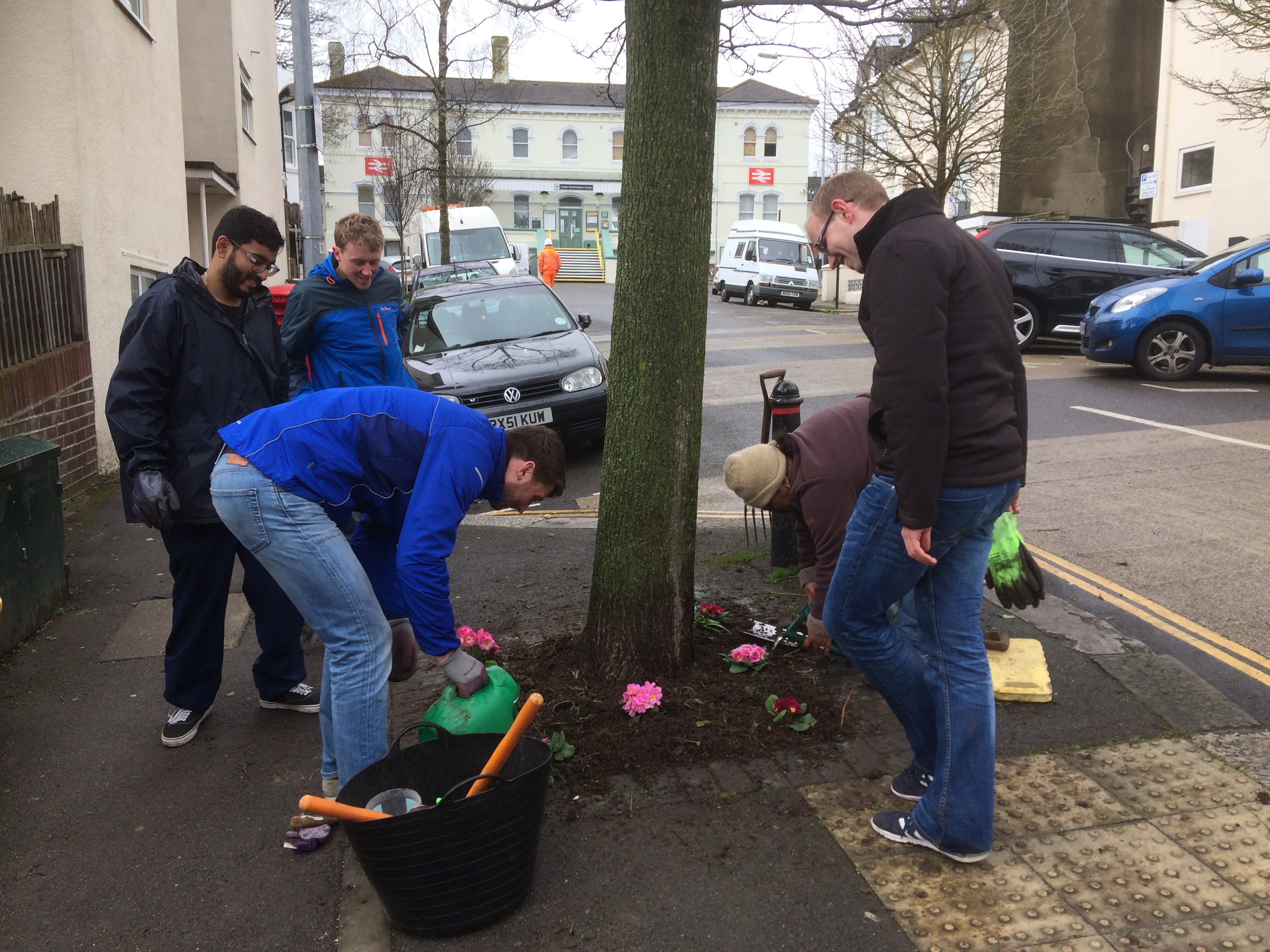
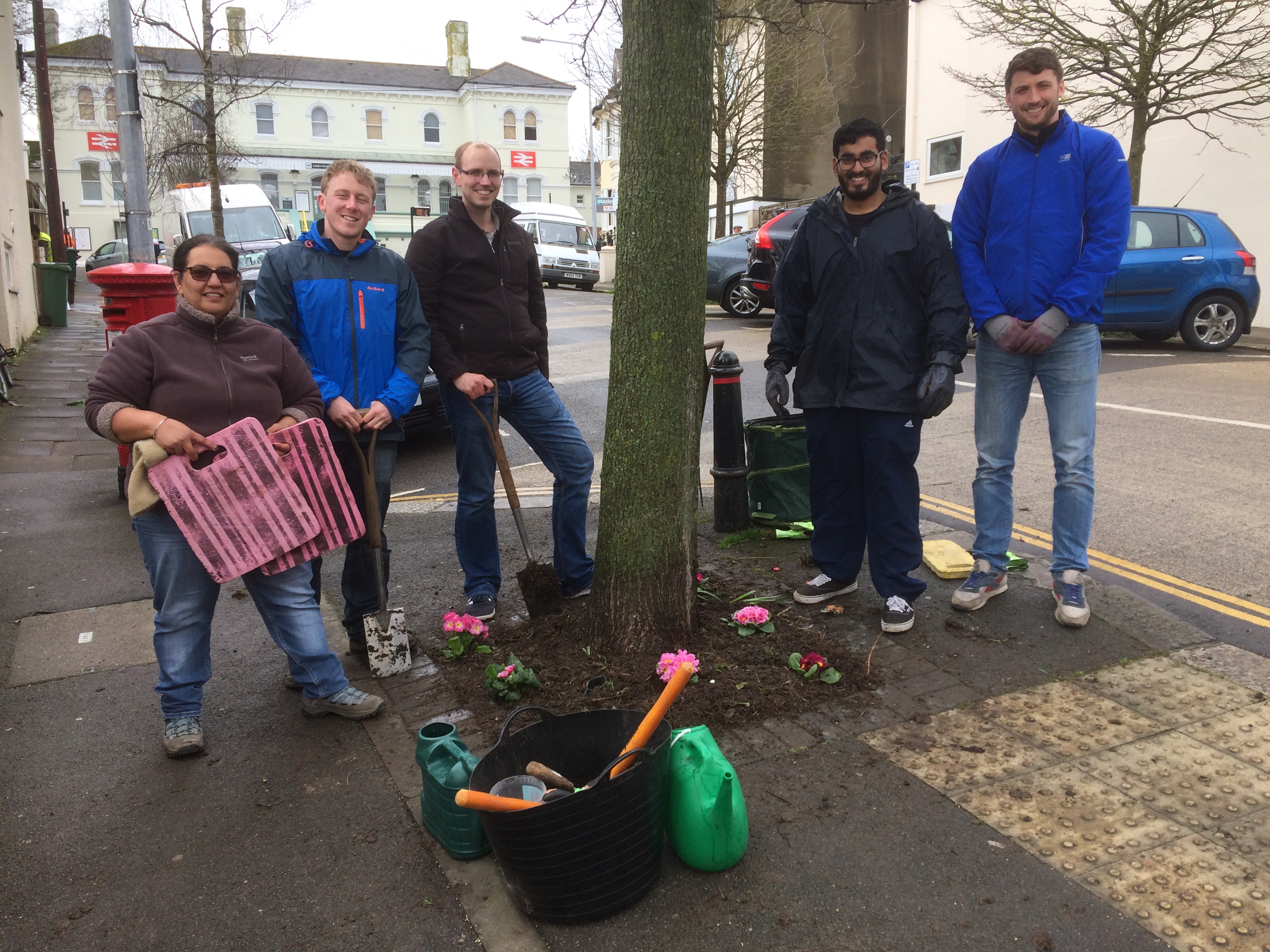
Last week another group of volunteers from Network Rail came for a work day at the station, and we planted up a further tree pit at the entrance to Shaftesbury Place. As luck would have it, it was raining, windy and cold but we managed nevertheless to clear the weeds and get some more primroses in to brighten things up.  We also sowed some wildflower seeds from GrowWild. This week, we’ve followed up with planting some silver-leaved cineraria to fill in the gaps, and watering copiously after a couple of days of warm sunshine. It’s a tricky spot as people walking around the corner tend to trample over the tree pit, and the plants are always at the mercy of dogs, but it does make Shaftesbury Place look more cheerful.


Posted in Uncategorized | 1 Comment

Stationary tales – the video

It’s been a busy 2016 and as usual I’m only just catching up with lots of admin and interesting news, now that the weather is cold, there’s evidence of frost and the gardens at London Road Station are asleep.

As usual, Madeleine has produced another lovely video over the course of this year: this time, it’s about station partnerships throughout the South East, but the LRSP, and in particular our giant leeks, feature! Lots of very inspiring projects going on up and down the railway lines.

Watch it here: https://www.youtube.com/watch?v=aPqziBuX5a0

Posted in Video | Leave a comment

Rebuilding the raised beds

We’ve just transformed our ten 3m scaffolding boards and the two 3m long posts into the sides of our new raised beds. It involved sawing and drilling, and some of us are not very proficient at woodwork. So a great opportunity to try … and a wonderful sense of achievement. It was wet outside, so we couldn’t assemble the raised beds in the edible plot, but they are now ready, give or take a few drillings.

Posted in Uncategorized | Leave a comment

Renewing the plot

There’s been a lot of renewal work going on at London Rd Station during November, helped by the dry(ish) weather. The wet weather in the first part of the year really did for our raised beds. Already in May, we realised the corner posts of our central beds were rotting. The rot got progressively worse until we had to tie the old scaffolding planks together with leads and bang in a couple of temporary boards to retain the long shady bed against the wall.

Given that these were our first raised beds, constructed from used scaffolding boards back in 2011, it’s not surprising they were collapsing. The key detail we discovered later when we constructed the fruit tree beds along the south facing wall: make sure you line the beds with pond liner or equivalent to keep the moisture from the wood.

And so it was that we decided to replace our raised beds. Not an easy task really, as it required digging out the soil. Enter the cavalry: a Network Rail volunteer gang. Thanks to our guardian angel Sam Bryant, formerly of Sussex Community Rail Partnership, and collaboration between our Network Rail contact, Eddie Burton, and our Southern line manager, Lisa Stacey, we were visited in early November by five Network volunteers who enthusiastically swapped a day in the office for a day digging out the soil from our raised beds and clearing weeds from the station forecourt. Southern’s maintenance team were also on site.

It took three people three hours or so to dig out the soil. The bridge then got swept and the shady triangle cleared and tidied. Lisa got stuck in cleaning up the platform shelters, Sam dropped by to do what she’s so good at – motivate, enthuse, congratulate, take photos – and Eddie drew the short straw: sweeping up leaves from the forecourt which then reappeared with the next gust of wind. It was a really productive day, we really appreciated everybody’s hard work and the station is looking all the better for it. Network volunteers have even enquired about coming back to London Rd Station. Wonderful … That soil is going to need to go back into the new raised beds! (There are other jobs to be done such as cleaning our lovely underpass mosaic;) We’d love to see you again – a big thank-you to all.

Since then, the station has had further repainting work and looks so much prouder. The genial decorators even took the trouble to redecorate the areas around the edible plot and the composting area. It looks so much better that we’ll forgive the spits and spots of paint on the fruit trees and platform planters – inevitable, really and we can deal with it.

The mini-orchard and the forecourt and platform planters are now taking a bit of a rest over the winter, while the shady plot has also been cleared ready for spring replanting. We’re right now planning our carpentry workshop in order to reconstruct the new raised beds. Lovely new scaffolding boards – our investment, thanks to a kind donation from our neighbour John – to be lined with LDPE in the form of old compost bags turned inside out – still frugal and re-using after all these years.

Posted in Uncategorized | 1 Comment

Autumn – don’t prune, paint!

Autumn has arrived, lots of yellow and gold leaves on the trees and the station forecourt is littered with dried dead leaves. It’s been unusually dry. We had rain last Tuesday (of course, on our workday, but it led to comfy conversations in the conservatory on plans for 2017).

We did a good job of tidying the edible plot the Tuesday before last, and we cleared a lot of straggly plants from the poor old shady triangle. This area has really suffered from the dry conditions this summer. It’s shaded by sycamore trees but the base of the soil is some horrible claggy hardcore-and-chalk, so despite adding year upon year of compost, it still dries out quickly. Given the pressures on watering this last summer, I deliberately ignored the shady plot. I knew we just couldn’t get enough water into the soil to keep lush growth going, and we needed to concentrate our energies and water on other areas. So it will need reconditioning (with our compost – now) and probably replanting (shrubs and bulbs now).

Which brings me to timing and pruning … As the garden becomes dormant, I have such an urge to start cutting everything back, a kind of Autumn ‘spring-clean’ as we retreat into winter. And it seems this urge is shared by others. My neighbours engaged me in conversation about pruning their apple cordons the other day, and next door’s plum trees seem to be crying out for a chop. BUT … Now is NOT the best time to prune established fruit trees, particularly dwarf varieties and cordons. For APPLES AND PEARS = AUGUST, for PLUMS = JUNE.

Minor pruning of apples and pears, particularly to shape a tree, can take place during winter, but pruning of plums should only be done when the tree is growing (not dormant) and when weather conditions are not soggy (as though one can predict the English weather!). During the dormant season, plums are more susceptible to insect and fungal infections, and in particular silver leaf.

So the straggly branches of my plum trees will have to stay, unless the winter gales really start and mean that a compromise prune to stop the tree rocking has to take place. The station garden plum hardly fruited this year – all the more reason to leave well alone until late spring. What we will do is PAINT THE TREE TRUNKS WITH GREASE to lessen invasion by aphids, ants and other insects. That does need to be done NOW!

Posted in Pruning | 1 Comment

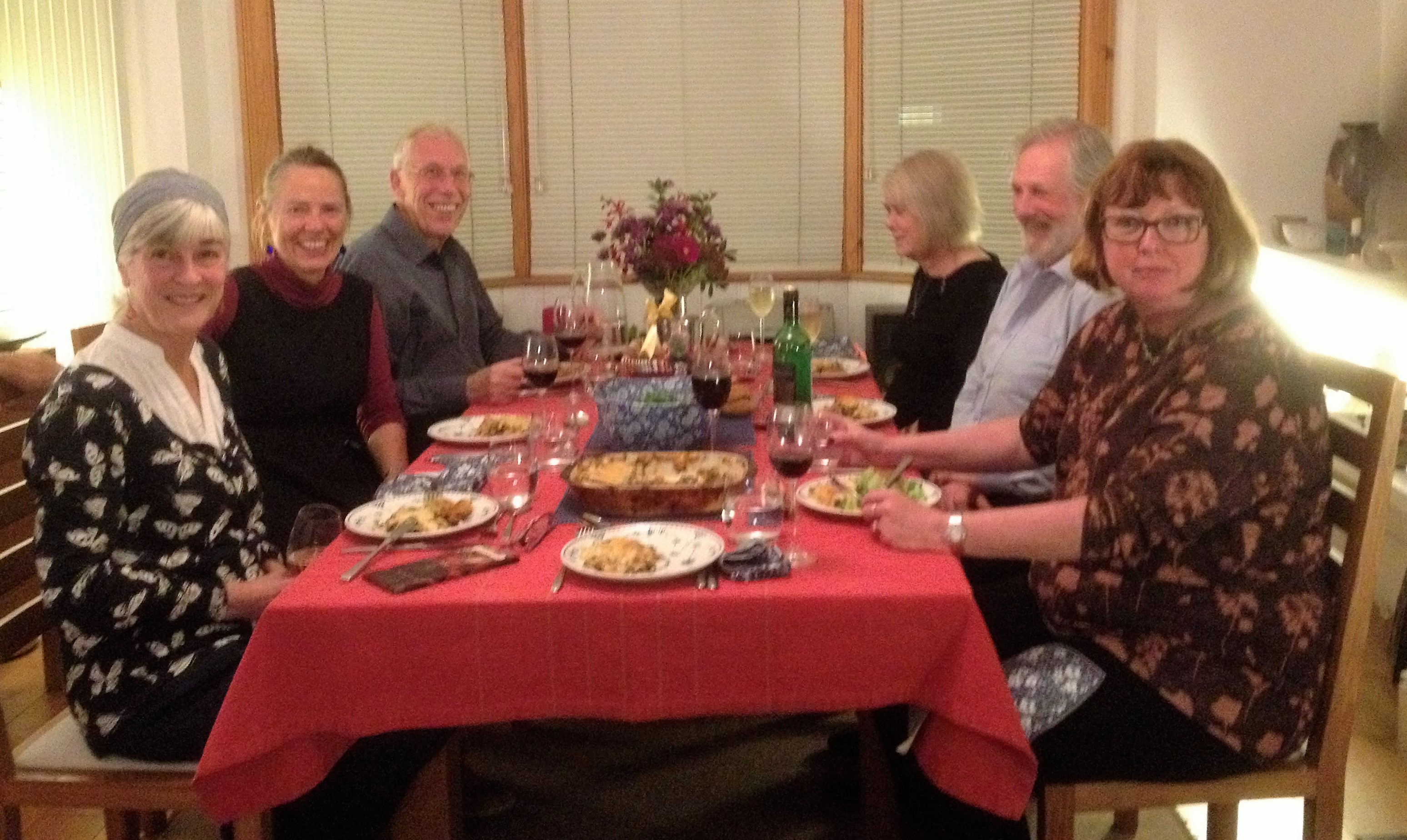
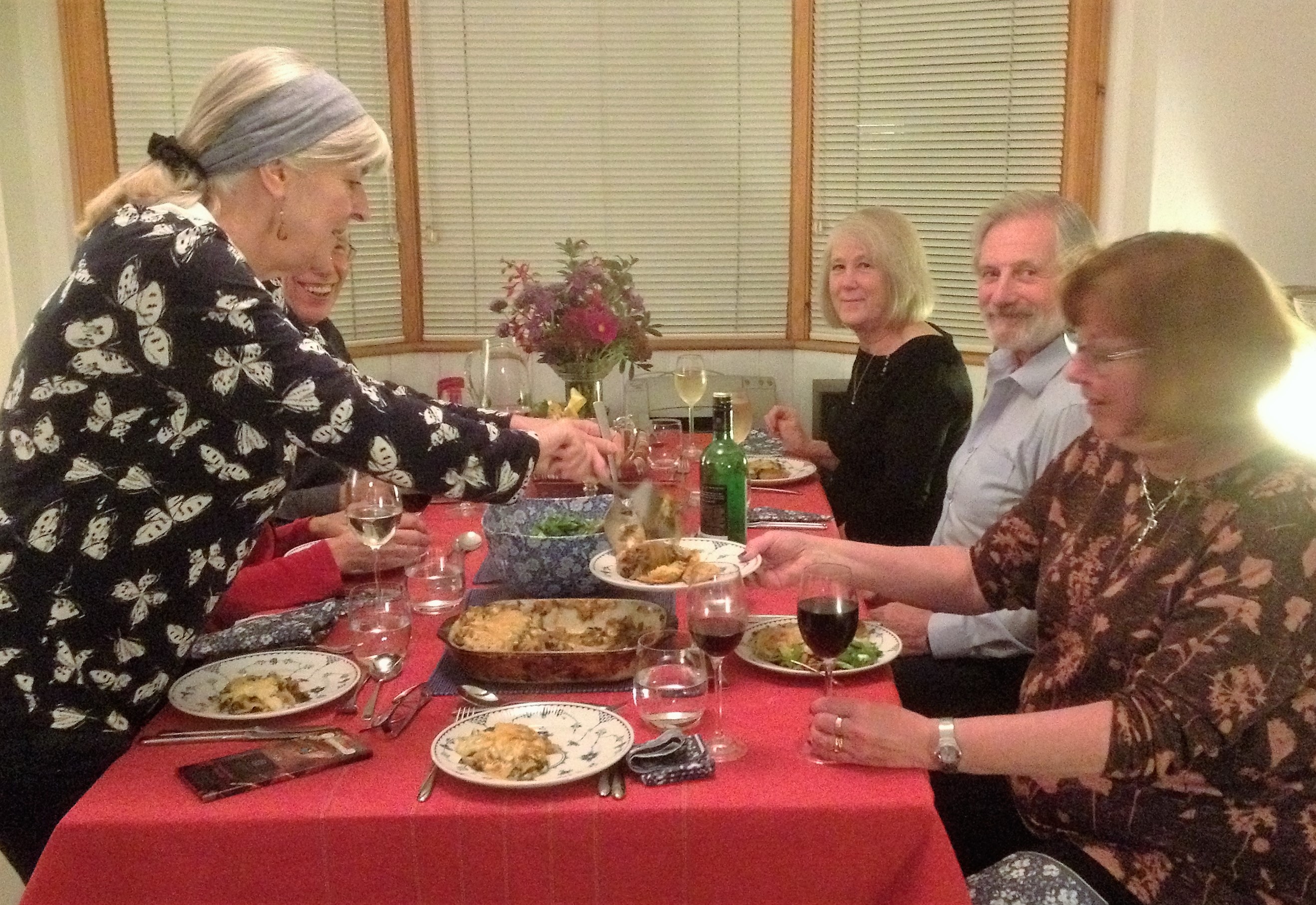
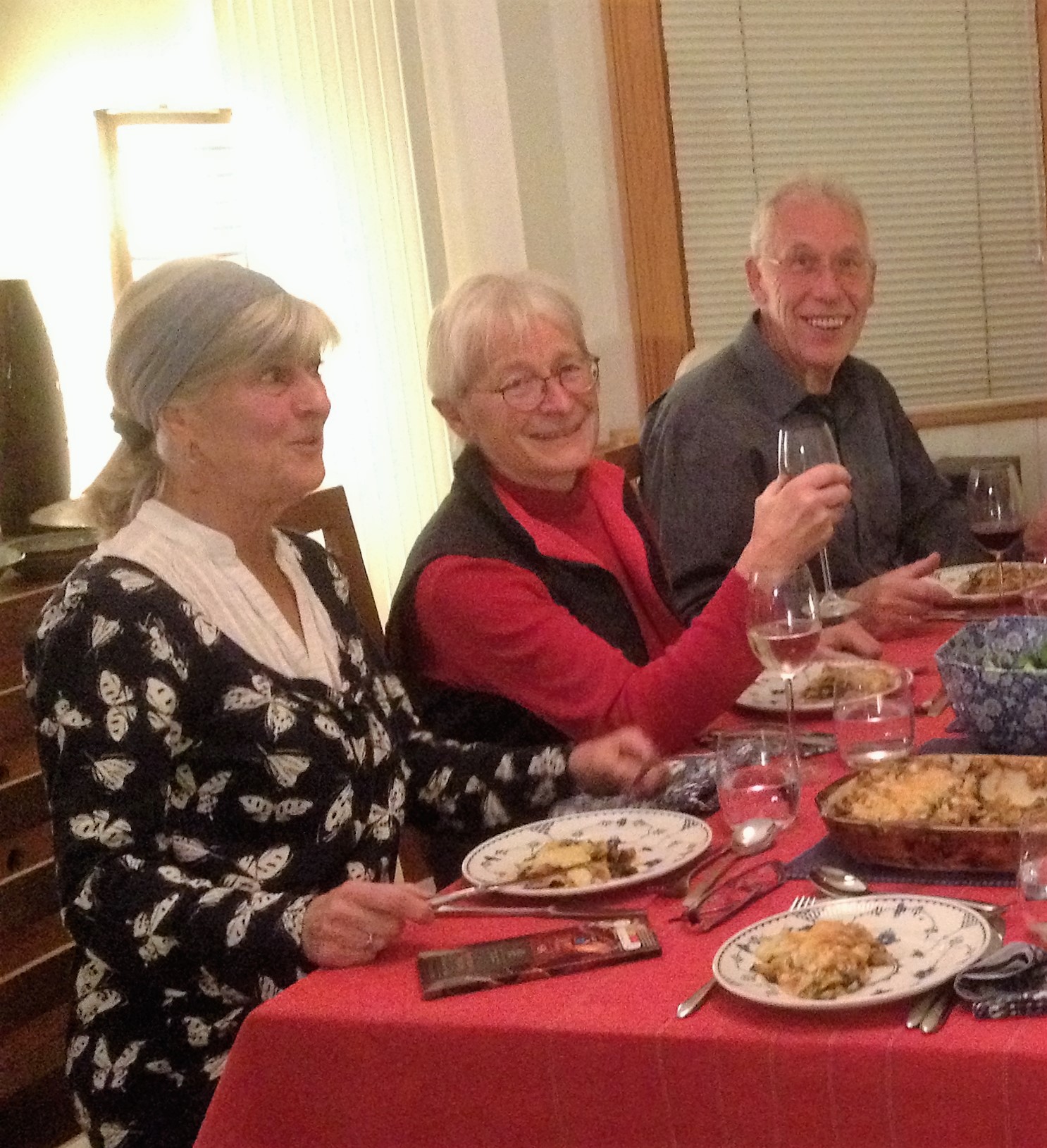
Harvest supper 2016

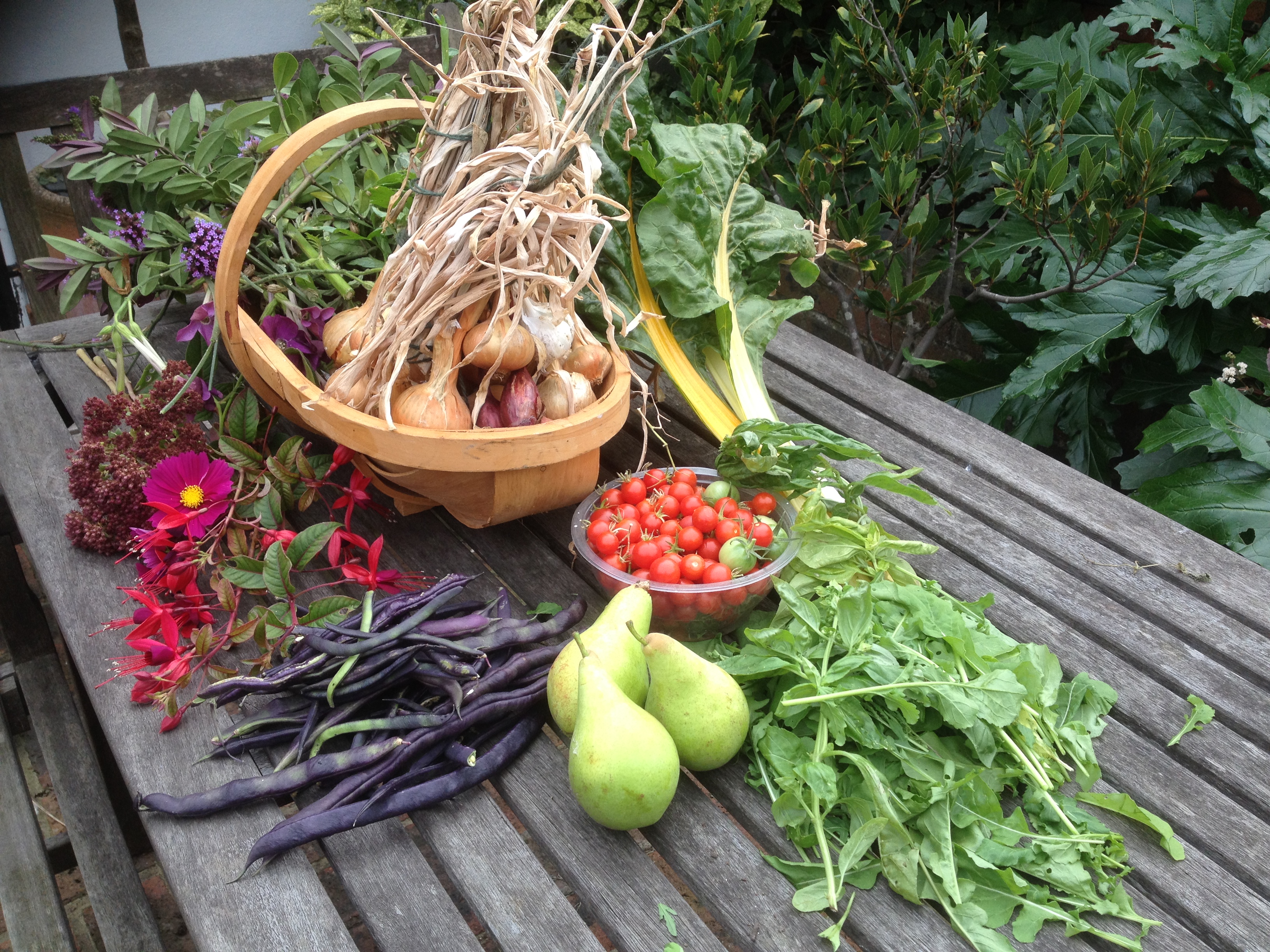
our-harvest-2016-lIt’s been a good growing year this year: we had a wet and coolish early summer but this had the advantage of getting lots of moisture into our light chalky soil, and it was followed up by lots of sunny days in August and September. We’ve had lettuce and other greens from June, tomatoes and cucumber in the greenhouse and ripe courgettes in the plot since early July, onions harvested and hung at the end of July. More recently, we’ve been harvesting our apples and pears. I sowed rocket and green beans again towards the end of August, beginning of September and both have produced a harvest in October. We’ve also had several sowings of beetroot and the leeks we sowed in March. Above our final harvest: onions, chard, leeks, rocket, beans, tomatoes, pears and some very pretty flowers.

So our harvest supper this year was:

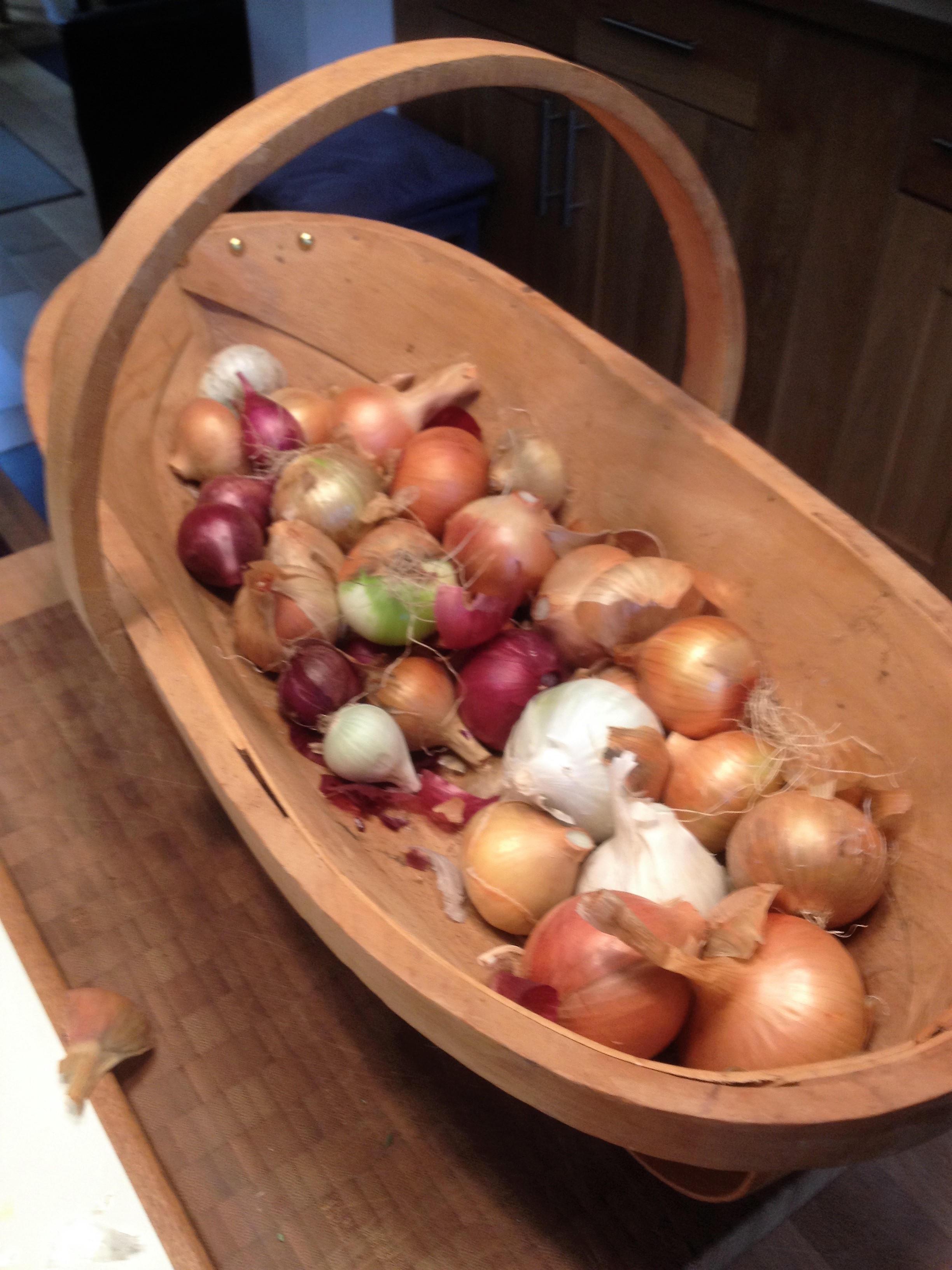
onionsElspeth’s Anglo-French onion soup – French-style onion soup with our onions sweated down in butter for an hour to give a caramelised mess, Marmite added, along with stock and a splash of French dry white wine, finished off in the oven with French bread spread with Dijon mustard and Cheddar cheese.

Madeleine’s garden lasagne – more slow cooking, this time of lots of chard and rocket leaves with onion, garlic and tomatoes forming the filling between the lasagne sheets, then topped with a creamy béchamel sauce and cheese.

marks-veg-fishcakesMark’s veggie ‘fish-cakes’ – having been asked to ‘do something with leeks’, Mark has been experimenting for the last week (the rest of us tend to just chuck ingredients together in familiar patterns) with a fishless, leek-based ‘fish-cake’. His creation involved a mixture made of mashed potatoes and leeks (there must have been butter and cream in there too), dipped in egg and herbs including home grown chili, and lightly fried: a great success!

A rocket and tomato salad with a dressing made with the remains of the basil, and a tiny red onion.

Jenny’s three fruit crumble – a crumble that included elements from our mini-orchard: some of the apples and pears and some plums from my garden. Jenny had a bit of a challenge: many of the apples were blighted, the dinner-table-gdpears still hadn’t ripened and the plums were over-ripe. She gamely produced a delicious crumble with extra fruit and a hint of ginger. She has staked her claim to the soup next year: Wensleydale and Pear (assuming the pears ripen at the right time), which sounds fantastic. Two crumbles, along with custard and cream, were rather heavy to transport across town.

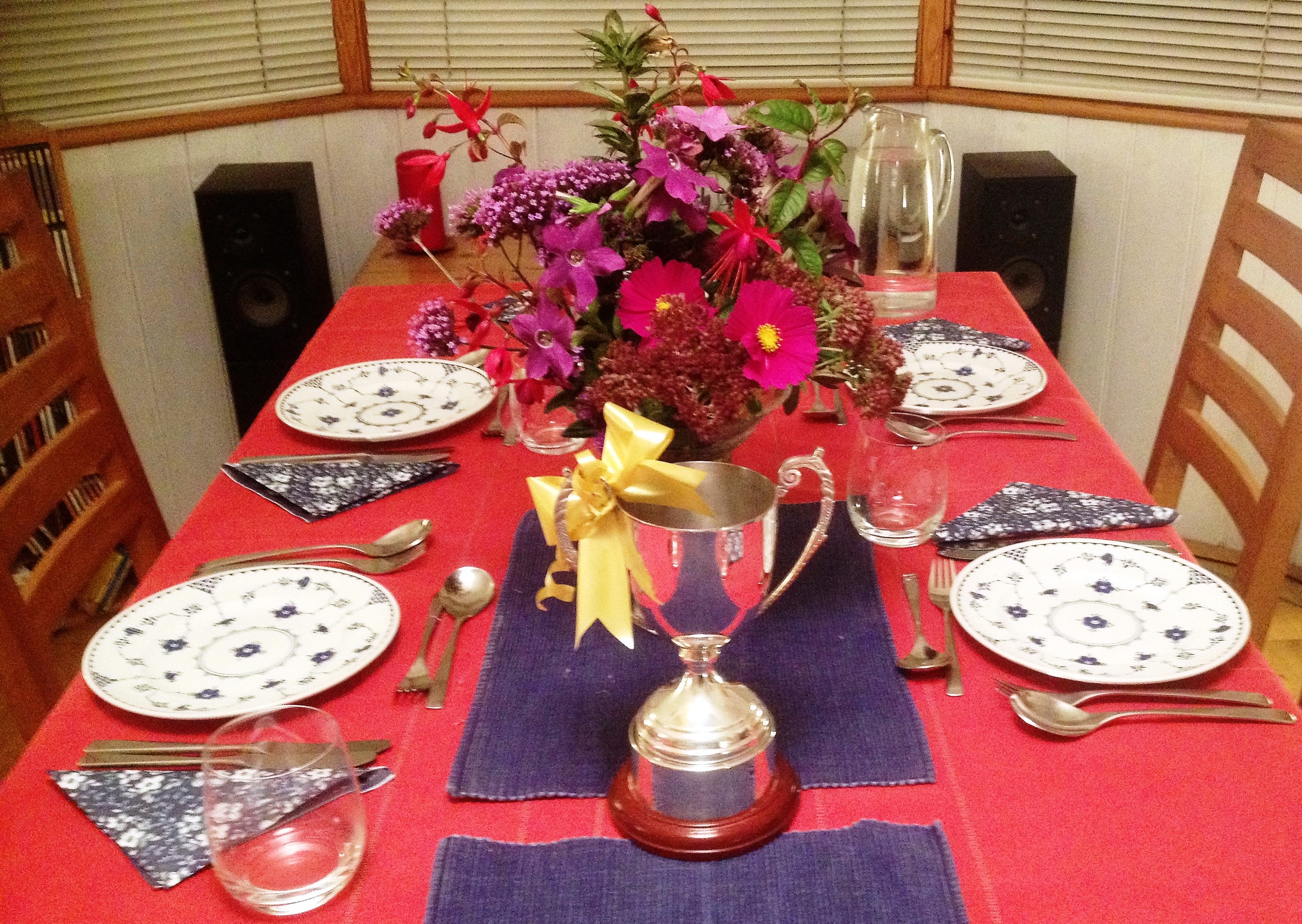
It was another great convivial evening, just the way to celebrate the end of the growing season and the start of longer nights and cooler days. The Ed Furey cup was on the table to reinforce the community spirit!

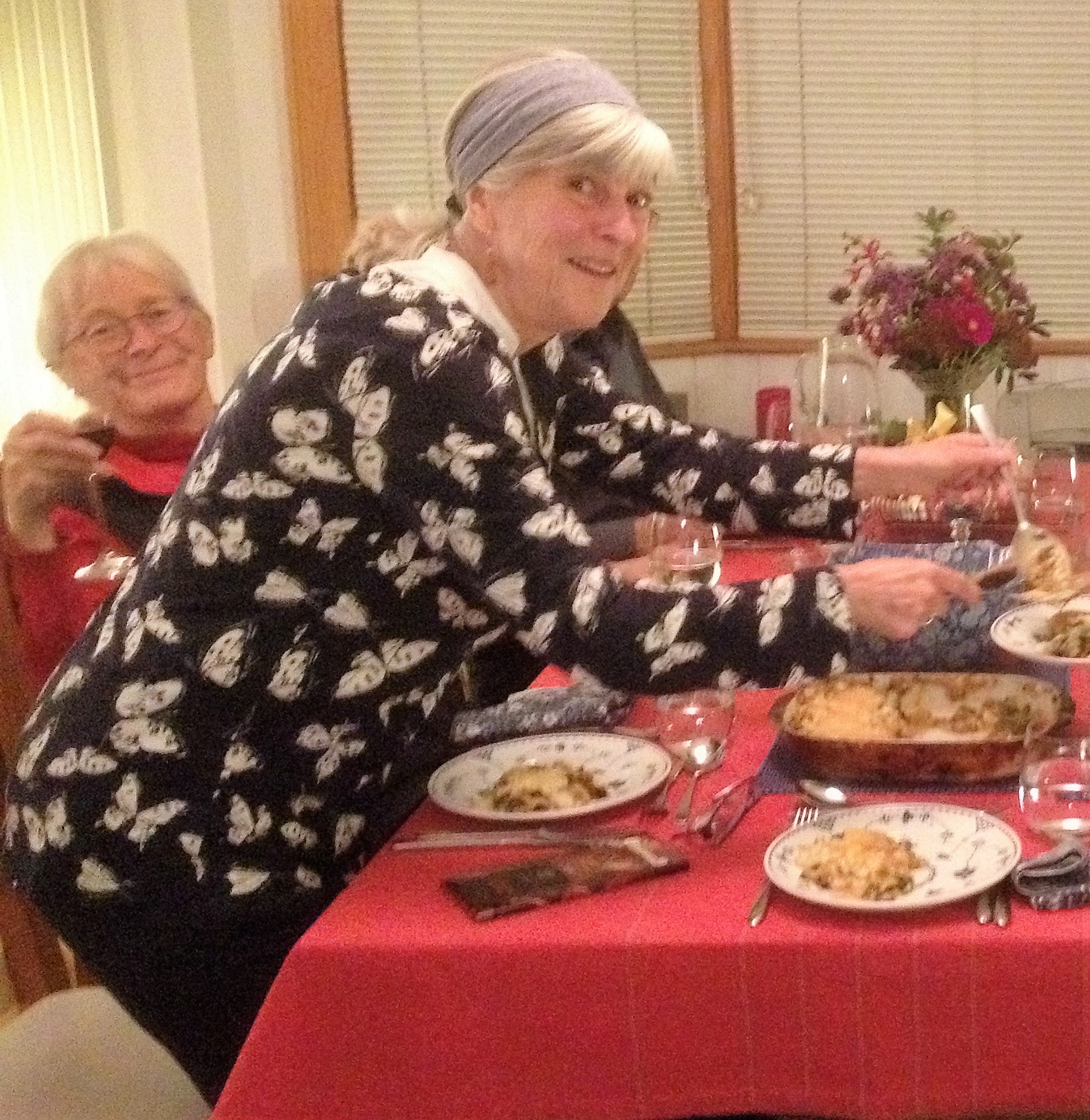
madeleine-serving all-at-table all-of-us-mad-serving mad-phil-chris


Posted in Uncategorized | 2 Comments

Cup for ‘community spirit’

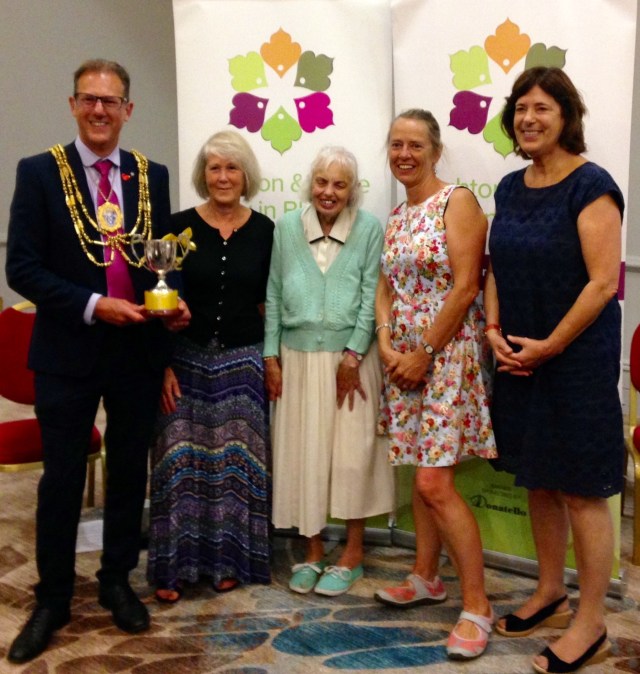
imageWe were so pleased to be shortlisted again for Brighton and Hove City in Bloom Best Community Garden at this year’s awards on 15 September. We’ve been in the top three each year ever since we first entered in 2013. And this year, we gained third prize again, with our neighbours, Stanford Avenue Community Garden, coming second. Well done, all of us!

But we were perhaps even more chuffed by the accolade to our ‘community spirit’. Much to our surprise, we were awarded the Edward Furey Cup again for the garden showing the best community spirit. We won it previously in 2013 and there are so many great community gardens in Brighton and Hove, we really were taken aback. It’ll be on the table again with us when we have our annual harvest supper in October.


Posted in Uncategorized | 1 Comment

Colours of summer and serendipity

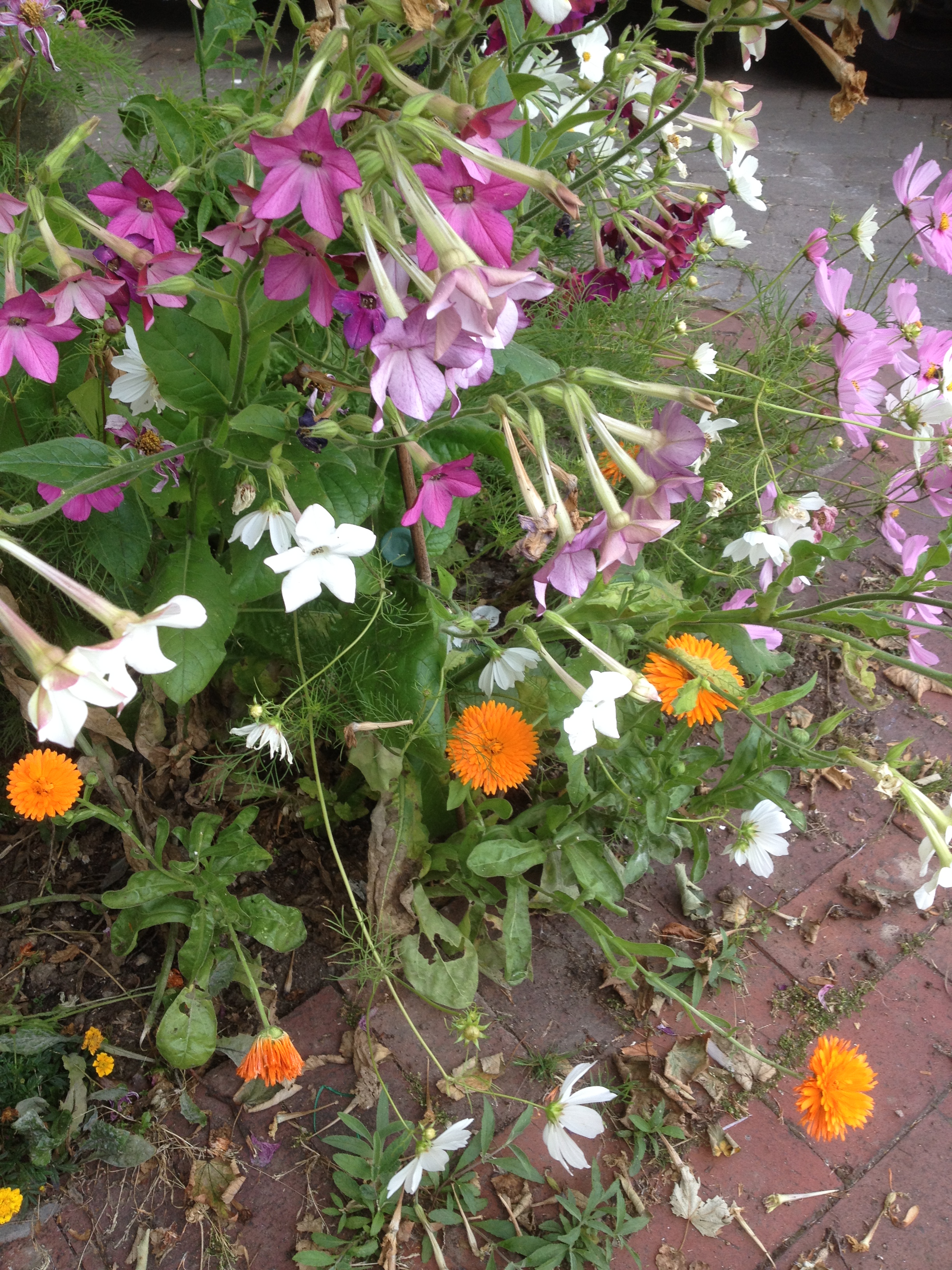
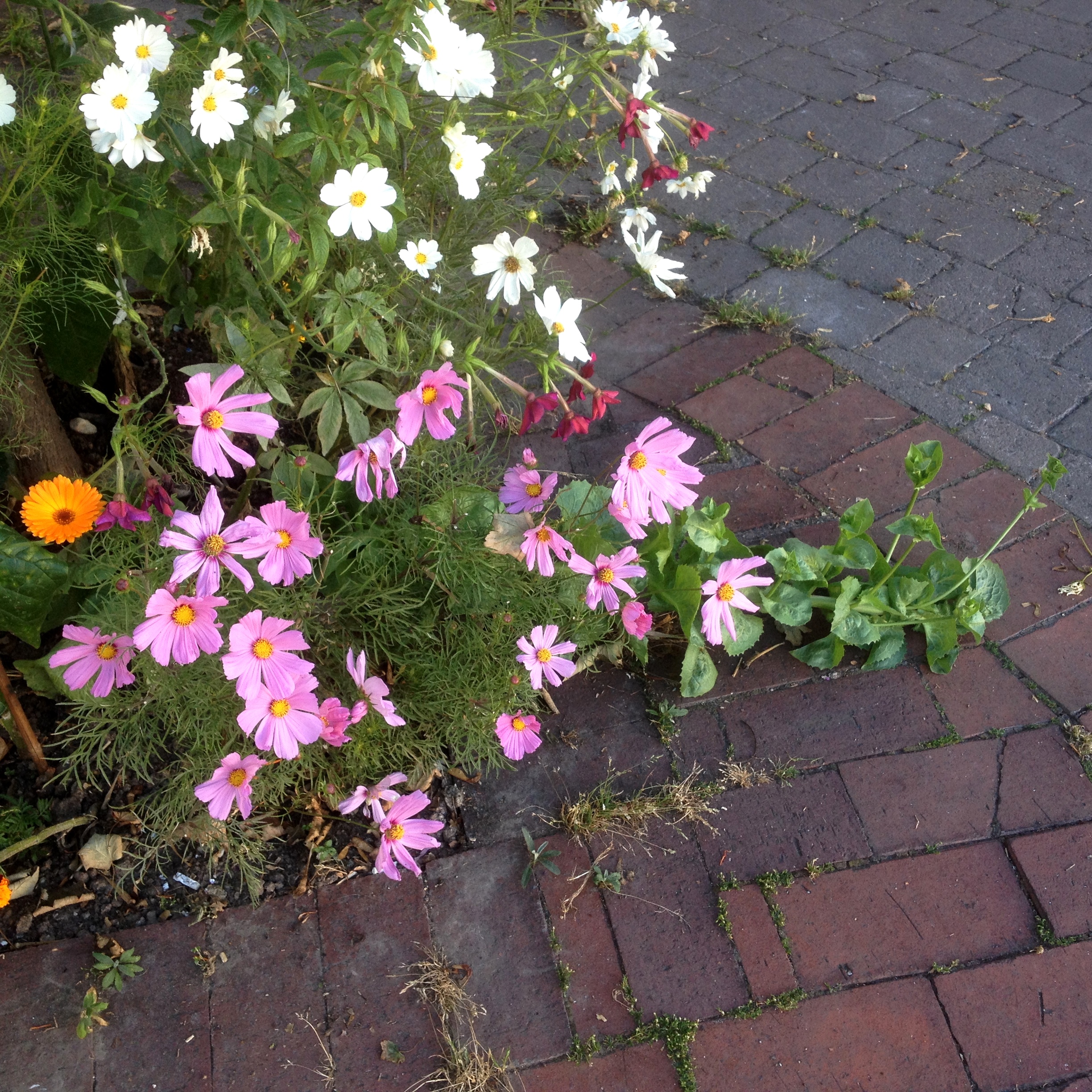
In late May, we planted out a fairly random collection of annual flower seedlings around the tree pits in Shaftesbury Place, just as last year we’d scattered a motely selection of remaining flower seed there. The result: a beautiful display of summer colour which has been delighting people as they walk towards the station. If only we could say we planned it, but yet again, it’s more the result of serendipity. The magenta, pink and white of the cosmos, the pinks, whites and mauves of the nicotianas, the pinks and white of the cleome have all blended beautifully together, highlighted by the orange of the marigolds. If we needed proof of randomness, there’s a bolting lettuce creeping out from the flowers.

Today we cleared dead leaves, dead flowers and generally tidied up around the station, trying hard to get some water into the soil after two weeks of hot and dry weather. We will try and extend our successful ‘random’ flower arrangements to the other tree pits in Shaftesbury Place next year – always a little dangerous to plan, but we’ve still got lots of annual flower seeds which will need sowing next year.


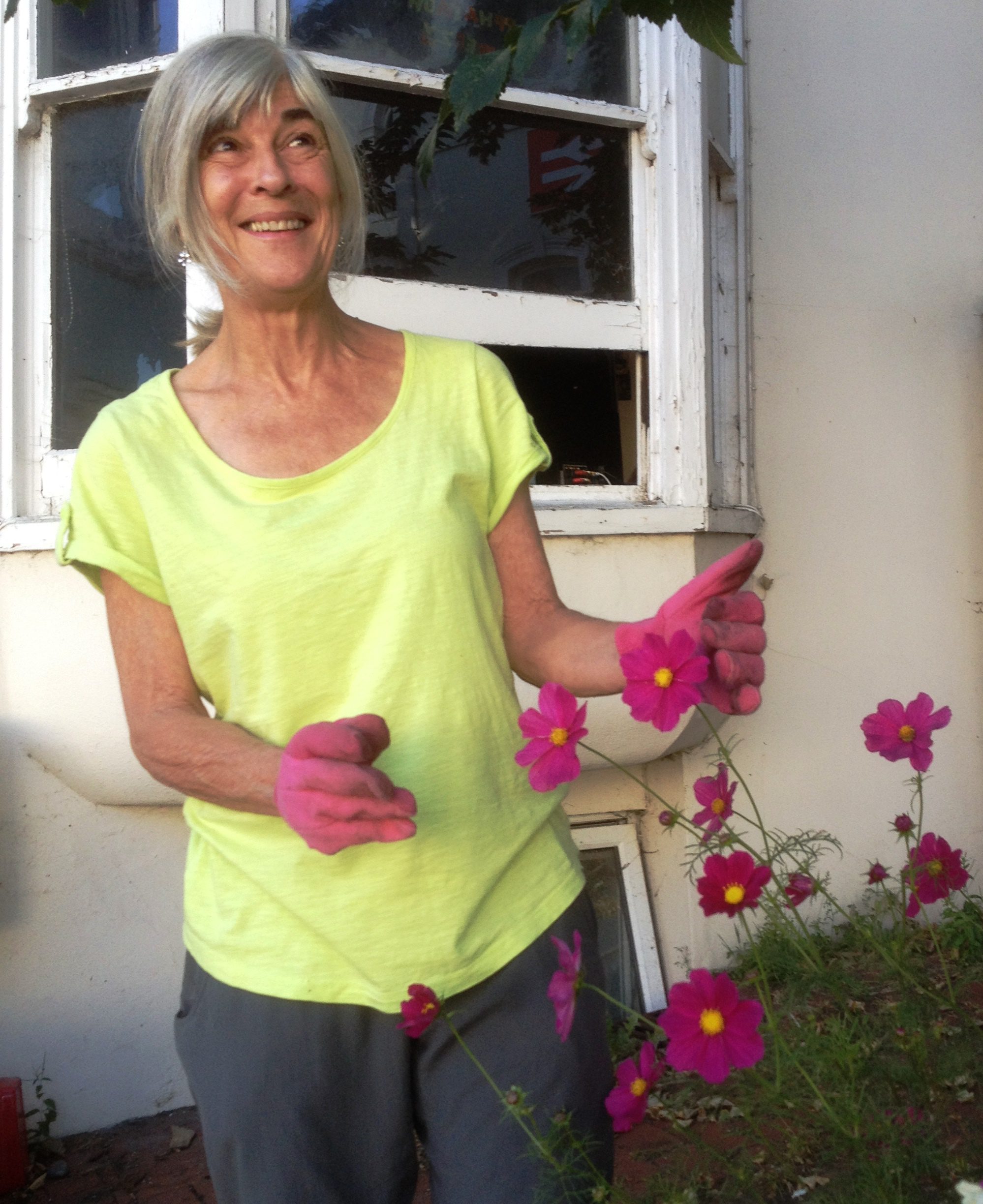
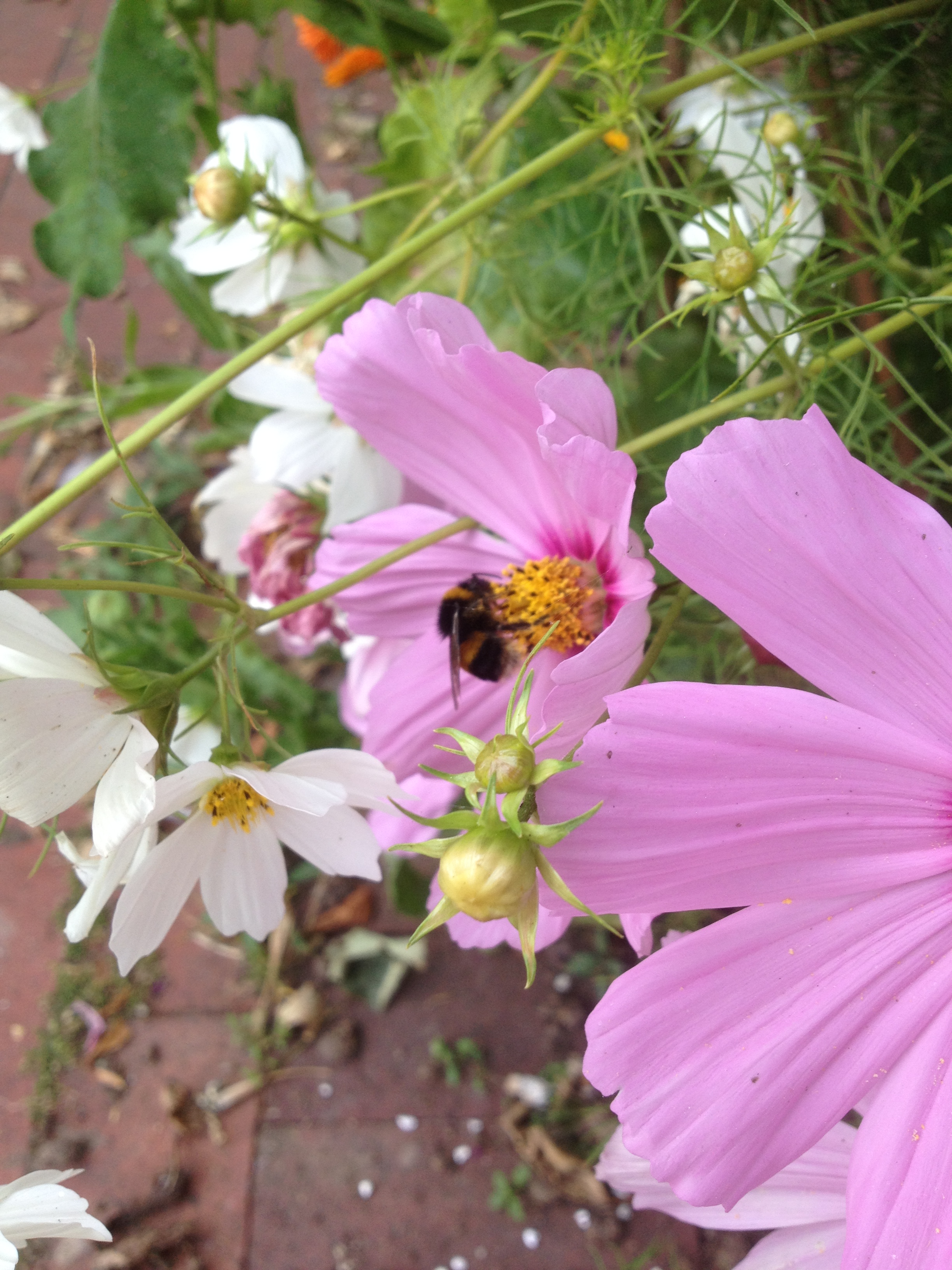
But for now, we were content celebrating late summer colours – and in particular, that wonderful combination of magenta and yellow, with Madeleine matching the cosmos. Not colours I’d immediately think of putting together but I seem to remember they face each other on the colour wheel and therefore do something magical when you see them together. Under a brilliant blue sky today, we delighted in the bright colours, along with lots of fluffy bumble bees.


Posted in Uncategorized | 1 Comment

Watering can work-out

IMG_5681

Our raised beds require frequent watering

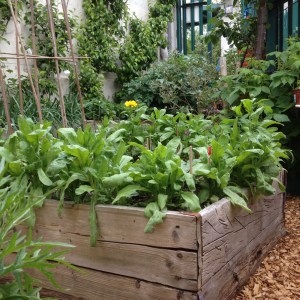
It’s been a busy summer and despite low temperatures and lots of rain earlier in June and July, our gardens are drying out quickly. At London Road Station, we are dependent on water butts and rain water so we spend a lot of time watering.

I’ve been aware that I’ve let all my exercise routines slip this summer because I’ve told myself being in the garden is just as good and I don’t have time to go to the gym or pool. As we come to the middle of August, I’m not so sure that ‘just’ gardening is enough … I’m starting to feel the strain of the watering can. In my own garden, I’ve reverted to using mains water and the hose. This is not good on so many levels, so this morning, as I waited the 30 seconds it takes to fill the 10 litre watering can, I started doing some of the exercises from the NHS 10 minute workouts. I quickly felt better and the garden got watered without using mains water – how virtuous is that!

So here’s my little routine that I’m going to try to adapt to gardening at London Road Station. All the exercises below can be done while waiting 30 seconds for the watering-can to fill. If you see a mad lady on the platform, doing squats while carrying watering cans, you’ll know what’s going on. I will try to be discrete …IMG_5413
Obviously different exercises suit different levels of fitness. The ones below are mostly from NHS Choices site, but please be aware of what works for you and don’t strain.

3 minute brisk walk

NHS Choices has ‘3-minute March on the spot’ as the first warm-up exercise: I’m going to replace this with the ‘3-minute brisk walk and garden check’: run down the stairs, out the back door, through my garden chicane, down the lane, up the station steps, into the edible plot, back out again, along the platform to check the planters, back via the shady plot checking the tree pits on the way. Ideally, I’ll try not to stop to deadhead and remove yellow leaves, but at least, this combines exercise with my usual garden recce.

Water can 1Heel digs 1 (30 in 30 seconds)

Move each leg forward alternately, tapping your heel on the ground. Keep your supporting leg slightly bent. Punch arms out with each heel dig.

Water can 2Heel digs 2 (30 in 30 seconds)

Water can 3Knee lifts (30 in 30 seconds)

Standing, bring alternate knees to touch the opposite hand. Keep your supporting leg slightly bent.

Water can 4Shoulder rolls (2 sets of 10 repetitions)

March on the spot, roll shoulders 5 times forward and 5 times backwards, with arms loose at your sides. Repeat.

Water can 5Knee bends (10 repetitions)

Stand with feet shoulder-width apart and arms/hands outstretched. Bend knees to lower yourself by 10 cm. Come up and repeat.

Other watering can exercises

Tap backs

Step back on your right leg and swing both arms forward in the air. Repeat with the opposite leg. Repeat 15 times, pause and do again (or as long as it takes to fill the watering can).

Wall push-ups

Stand at arm’s length from a wall. Stretch out your arms and place your hands on the wall at chest height, a shoulder-width apart. Bend your arms to lower your body towards the wall. Let your heels come off the floor and keep your body straight. Repeat 15 times or more.

Calf raises

Stand straight, but avoid locking your knees. Move onto your toes, lifting heels off the ground and slowly lower your heels onto the ground again. Repeat 15-30 times. To make this more challenging, you can do it with two full watering cans, one in each hand, but make sure the weight of the watering cans is taken by your abdominal muscles and shoulder blades.

Torso rotations

Legs apart, hands on hips, lean back slightly and let your torso rotate. Then reverse direction.

Waist pinchers

Stand with legs shoulder-length apart, hands on hips. Raise your right arm, bring right knee up, out to the side and pull your arm down to meet your raised knee. https://www.youtube.com/watch?v=aKFVZu_4Lq4
Posted in Uncategorized | 1 Comment

Update on our potato project – success!

IMG_5129

placed in a sunny but windy corner

IMG_5141

Growing potatoes in compost bags

It’s been a while … holidays, trips away and changes to computer and software have meant keeping up with this blog has been tricky. And though none of us feel we’ve had a summer even here in the south of England, the gardens have been growing rapidly during June and July because of regular rain, so just keeping plants under some control has taken quite a bit of energy. Of course, they will do their own thing anyway, which is one of the joys of gardening.

Sarpo mira and Sharpes express

Sarpo mira and Sharpes express

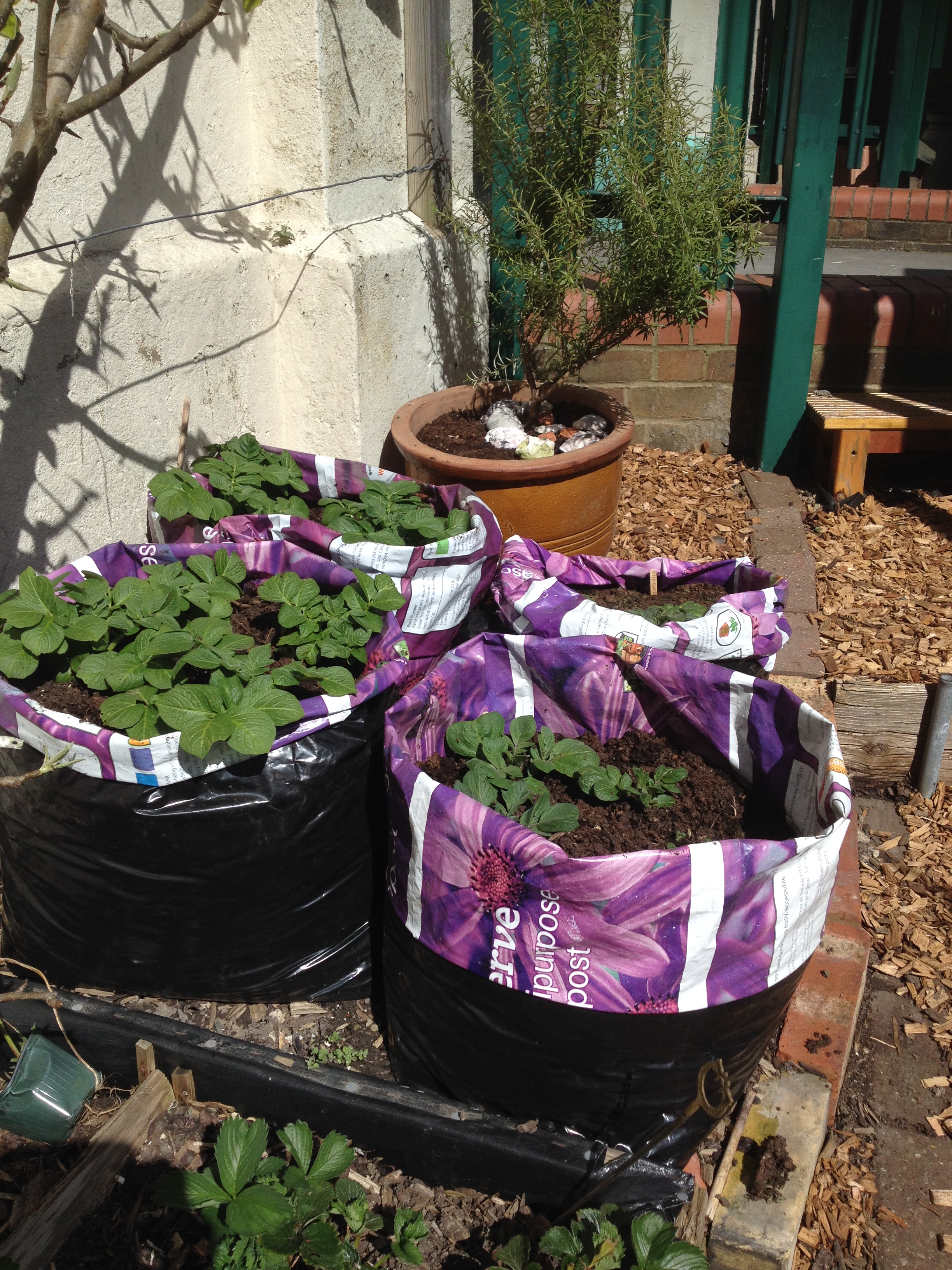
Our ‘experiment’ this year was growing potatoes in old compost bags, using a mixture of proprietary compost and our own kitchen-waste compost: good to use resources which otherwise would have been waste to extend our growing area. We sowed four seed potatoes each in three bags, using three different varieties: first earlies ‘Sharpes Express’, second earlies ‘Charlotte’ and the main crop disease-resistant ‘Sarpo Mira’. Unfortunately, we managed to misplace the markers reminding us which bag was which, so we harvested them all at the beginning of July.

This was also because the weather conditions during June had been unstable: heavy rain, then no rain but high winds and cool temperatures. The compost sacks were in a sunny but windy corner – and there was precious little sun. By early July, the leaves and stalks had got damaged – I don’t think it was blight as it was too early though there was certainly a lot of moisture in the air which would have favoured blight.

I think these were Charlottes

I think these were Charlottes

We didn’t have a massive crop, but it was a successful one: two lots of white potatoes and the Sarpo Mira – which can be harvested in late September – were a red variety. All were delicious, divided up between the three or four of us present and cooked that evening. What was perhaps most memorable was the excitement of splitting open the compost bags and digging around to find the potatoes. We were assisted in this by a four-year-old neighbour who giggled delightedly every time we pulled out another potato!

Posted in Uncategorized | Leave a comment