Water and compost

It’s a busy time again in the London Road Station Partnership garden. We’re back to the challenge of water. Brighton has had a warm late summer, and there’s been no rain for the past 10 days or so. Our two (and a half) water butts have run dry. We’ve focused our watering on the vegetables and fruit in the gated plot, but yesterday, we tackled the shady triangle.

This area is under a tree canopy and we’ve not watered regularly. Despite several generous mulchings autumn and spring, and our very wet early summer, the soil was rock hard. Yes, it really has been the dryest wettest year on record!

Yesterday, we had to take drastic action and string a long hose from Madeleine’s house to fill up both water butts and give both gardens a thorough soaking. Yes, we need to install at least two more water butts before next spring/summer.

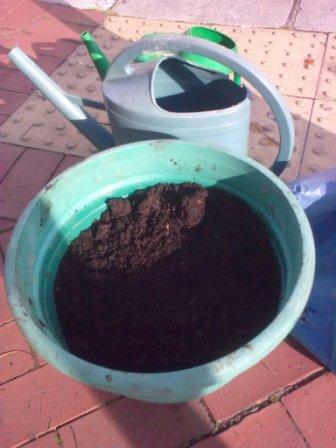
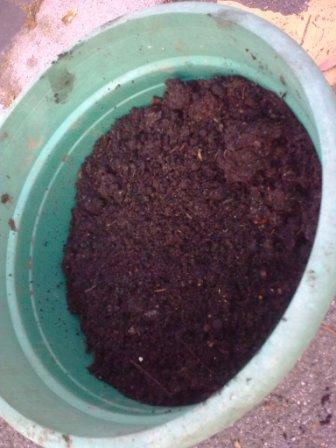
To try to break up the soil and keep it moist, we decided to ‘unpack’ our mature plastic compost bin . We’ve spread some of it on the shady triangle.

The stuff is wonderful – everything that compost should be: moist, friable and bearing no resemblance to the component waste which went into it November to March (see blog 22 March 2012). It’s so lovely it deserved a special photo shoot all of its own.

Our second wooden bin is now full, and can be left to mature until the spring. The black plastic bin is now the ‘active’ one. Given the interest in composting from people living around here, we’ll probably introduce a third bin shortly.

So far, our composting scheme has worked very well, and now we’re seeing the results. We should have enough to spread on the raised beds of the gated plots, once we clear the vegetable plants.

Posted in Composting, Weather | Leave a comment

Raspberry harvest

Or perhaps Harvest’s raspberries?  Back in January, Harvest distributed free raspberry canes to community gardens in the city as part of their efforts to promote edible growing (see January blog).

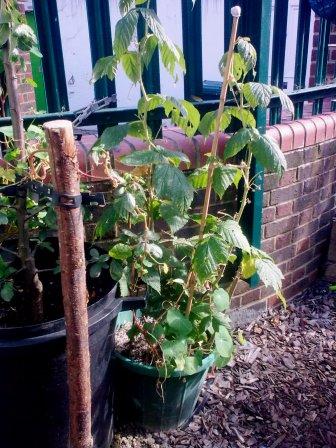
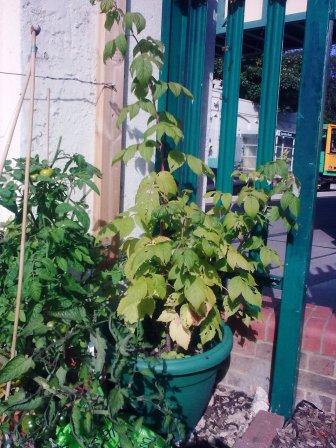
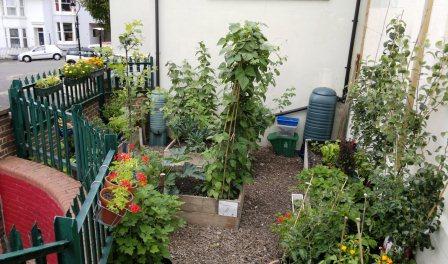
We had four. We planted two in the shadier central raised bed, and the other two in pots nearer the railings. The whole point of the canes was that they should be in publicly accessible places to positively encourage people to pick them when passing by.

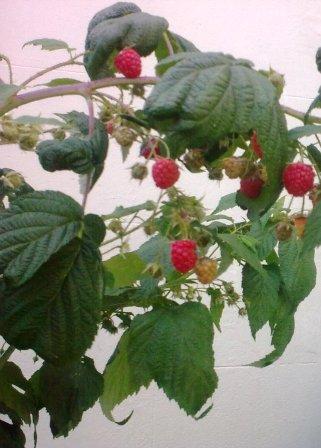
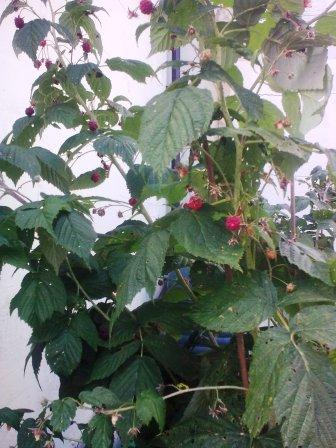
The two canes in the raised bed have done spectacularly well (see left). We’ve had raspberries, the kids on their way back from Downs school have had raspberries and visitors to the garden this weekend had raspberries.

In fact, everything we planted in the raised beds has done well. It’s probably the mixture of garden top soil, stable manure and Countrystyle mulch. And the canes have put out new shoots which we can dig up and replant elsewhere. It helps also that the raspberries have been regularly watered – much credit to all those who’ve kept the garden going over our highly unpredictable summer –  and they are not in full sun.

The two most accessible canes are planted in large plastic pots with the bottoms cut out. We took special care over the planting medium: I think it was John Innes number 3 (a soil-based compost) together with some well rotted stable manure or chicken manure pellets, and topped off with the Countrystyle mulch. The plants are doing well, but compared with the ones in the raised beds, their leaves are a little yellower, they are not as big and they have fruited less – which is a bit of a pity, precisely because these are the accessible canes. However, I discovered yesterday that they are doing what they were intended to do.

A neighbour was passing while I was in the garden, and as usual, stopped to chat about how things were growing. He mentioned he was thinking about planting pear trees in his front garden, but wondered whether people would steal the pears. I said that so far, we’d had very little evidence of anti-social behaviour, either in our gardens or in my front garden where I’d planted fruit trees.

‘Ah, but people must be stealing off those raspberry canes’, he said, pointing to the pots near the railings. ‘That’s what they’re there for’, I explained. ‘Oh, that’s good’, he replied. ‘because somebody’s definitely been pinching ’em’. I looked quizzical. ‘Yes’, he grinned, ‘and they were very good’.

Posted in Edible growing, Uncategorized | Leave a comment

Photos from SE in Bloom

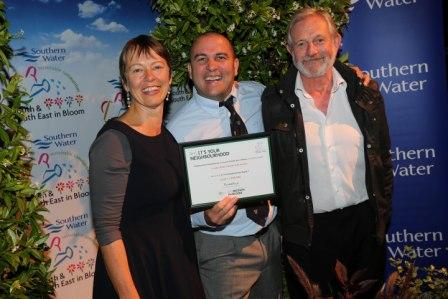
Elspeth Broady and Mark de Boissiere receiving the LRSP ‘It’s your neighbourhood’ certificate from Chris Collins, Blue Peter gardener.
13 September 2012. c. Nigel Bowles/John Connor

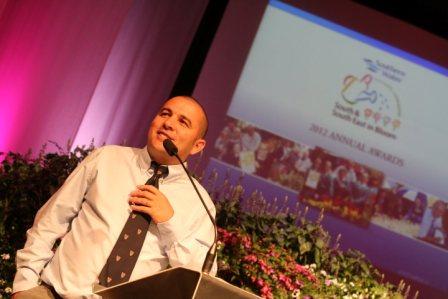
Chris Collins at South East In Bloom Awards ceremony, Fareham
13 September 2012. c. Nigel Bowles/John Connor


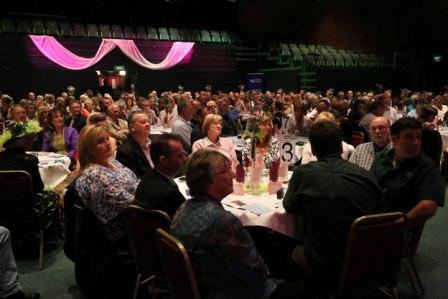
South East In Bloom Awards ceremony, Fareham, 13 September 2012.
c. Nigel Bowles/John Connor

Posted in Uncategorized | Leave a comment

Big Dig Day

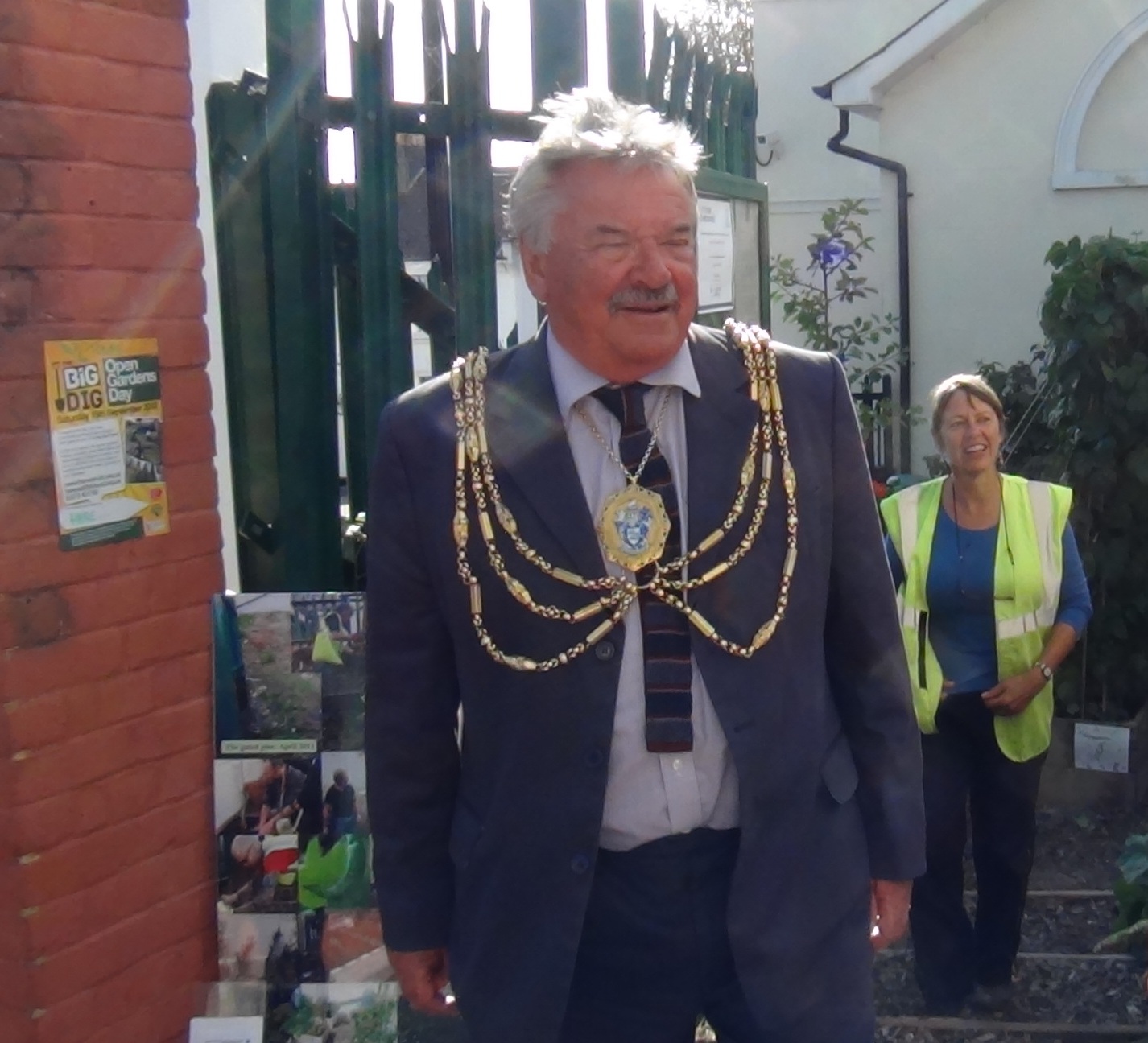
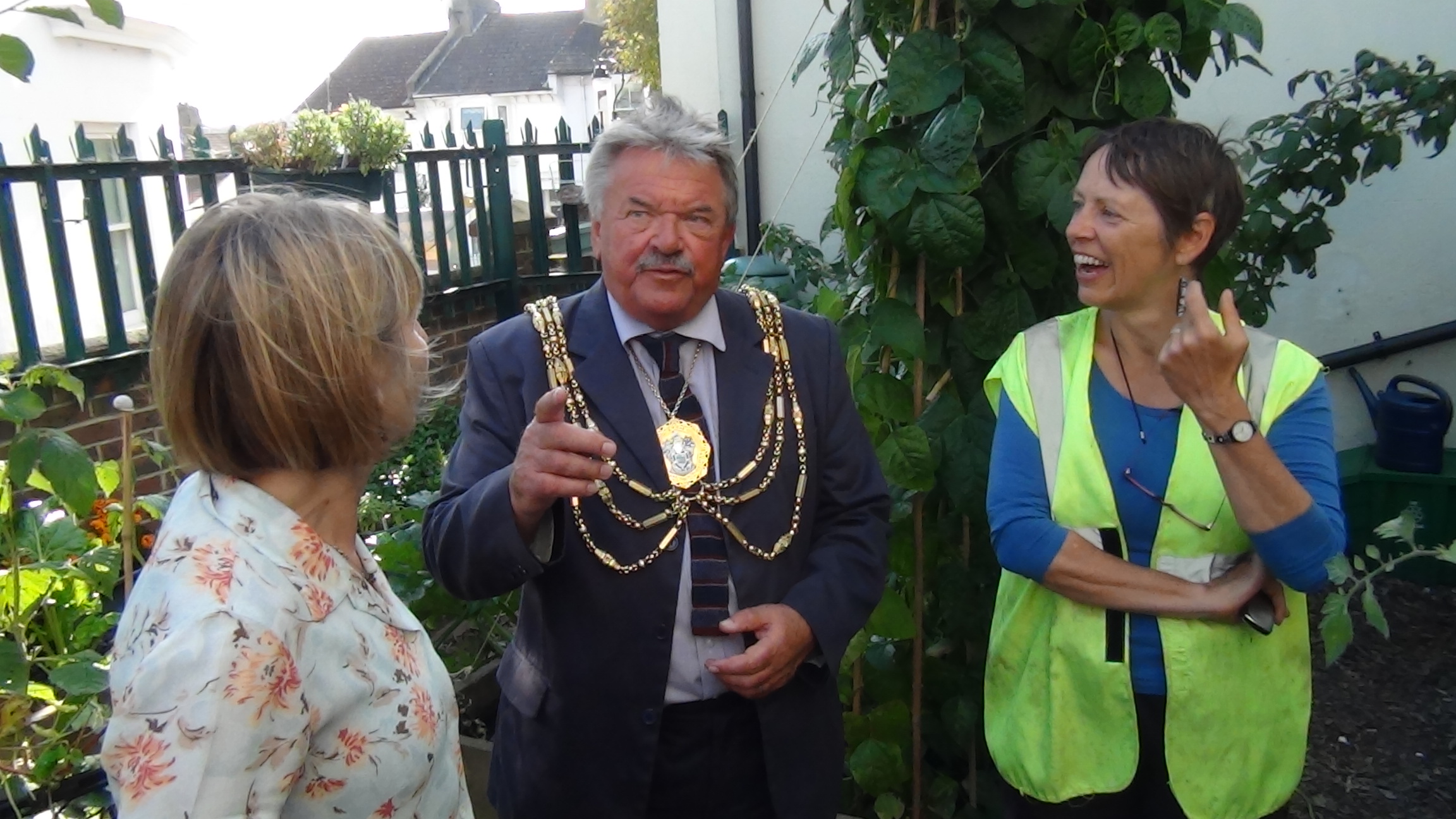
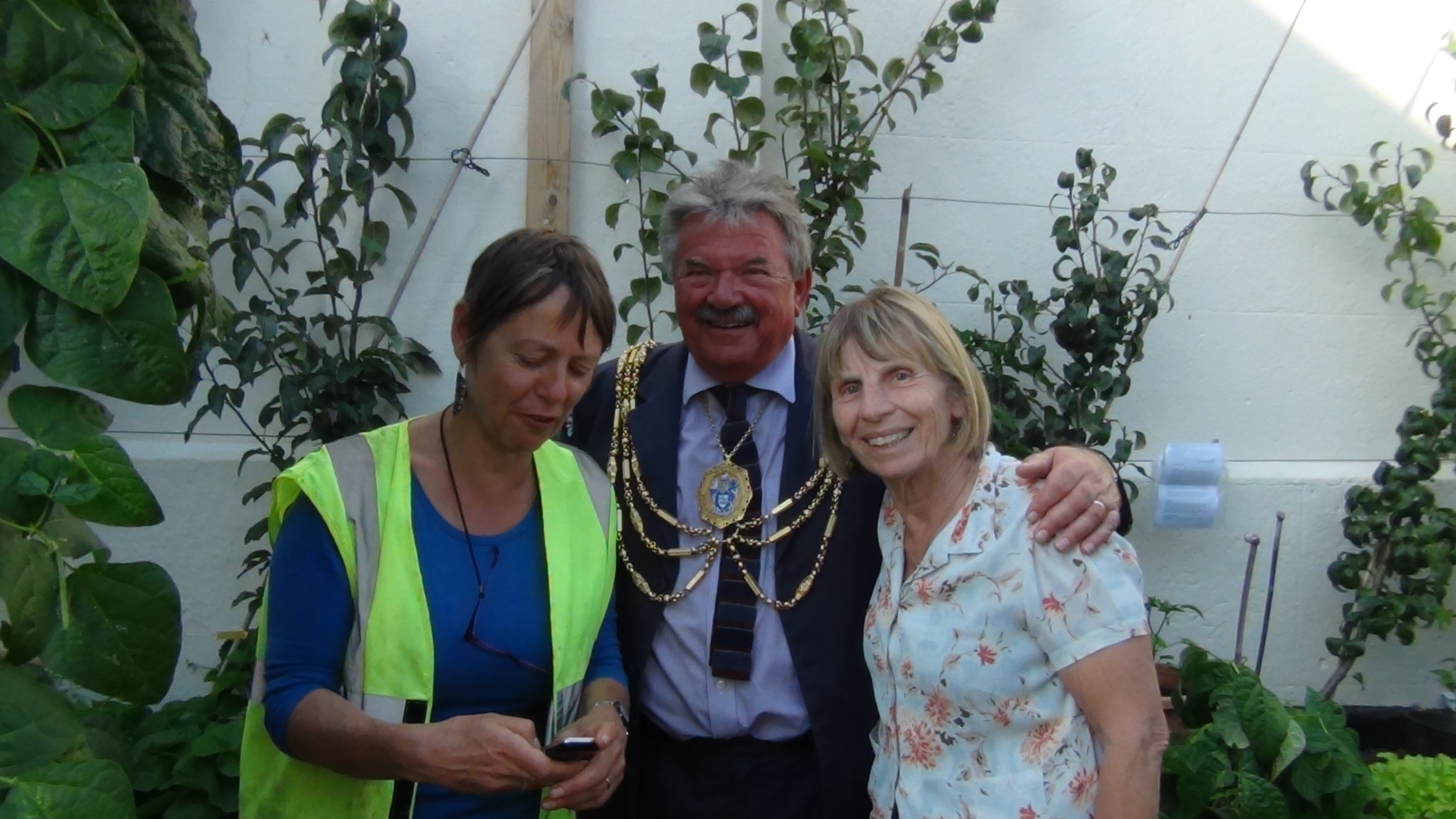
We had a great Big Dig Day today. (The sun was shining, the garden was lush and lots of lovely people came to visit. We think our tally was around 40 – a little unsure, as our official visitors list blew away during the afternoon and had to be rescued.  You can see more photos of us and other Brighton & Hove ‘Big Dig’ gardens here. Our first visitors were from Newcastle, our last from Brighton & Hove: we were delighted to welcome Mayor Bill Randall towards the end of the afternoon.

It was great to receive visits from fellow community gardeners: Rachel from The greenhouse project at Emmaus Brighton & Hove, Anna from Willingdon Gardens in Eastbourne and Jan from New Roots Organic Co-op in Moulsecoomb. We also talked about the possibility of linking up with environmental science students for project work.

We swapped lots of notes and tips with fellow gardeners, and talked to others about developing allotments and pruning cordon apple trees. We met several people who wanted to compost. Everybody agreed it had been a bizarre and very unsatisfactory gardening year. We felt lucky that we had beans and courgettes, and our tomatoes are at least showing some signs of ripening. Harvest’s raspberry canes are doing well, and visitors could pick fruit off the canes.

We started out with the idea that we’d be able to get a bit of gardening done at some point, but as has often been the case, we ended up talking with visitors for most of the day. And in the end, that’s what the garden’s for … Thank-you to everybody who visited us!

Posted in Events, Uncategorized | Leave a comment

We’re thriving!

We’re thriving! It’s official.

Three of us have just returned from the South/South East in Blooom Awards Ceremony in Fareham. The London Road Station Partnership garden has been awarded Level 4 ‘Thriving’ in the RHS ‘It’s Your Neighbourhood’ scheme for community gardens, following the visit from judges in July (see earlier blog).

We’re delighted at the result, particularly as the judging takes into consideration not just ‘gardening achievement’, but also how we demonstrate ‘environmental responsibility’ and ‘community participation’. We gained 82 points out of a total 100: a great score, especially for a first time entry. You can download the judges’ evaluation (RHS IYN 12 p 1) and comments (RHS IYN 12 p2) here.

We were the only community garden in Brighton and Hove to get involved in the scheme this year, and one of only seven gardens in East Sussex to be awarded Level 4 or above. A big thank-you to everybody who has been involved: gardening, composting, supporting us with donations in cash and in kind, helping with events or just dropping by to chat!

The judges commented specifically on our partnership working with a range of community organisations and the support from local businesses, and the regular events we organise to involve local people. They also liked our ‘high quality crops’ grown ‘with creativity’. Perhaps most characteristically, they highlighted the ‘passion and camaraderie’ show by those involved in the daily upkeep of the gardens!

They suggested that we should now look at how we can enhance other areas around the station. We’ve already talked about some ornamental planting around the trees at the front of the station, some decorative planters at the station entrances and most ambitious of all, a wild flower area on the north side of the railway line. This is a real stimulus to start looking at how we can put these ideas into action.

Posted in Events, Uncategorized | Leave a comment

The Big Dig: Saturday 15th September

Come and visit us! The London Road Station Partnership is opening as part of The Big Dig this Saturday 15th September from 10am to 4pm.

The Big Dig is a national initiative to support community edible growing projects. It’s funded by the government’s Social Action Fund and involves six cities: Brighton and Hove, Coventry, London, Manchester, Middlesborough and Sheffield.

This weekend, community edible growing gardens in these cities will be open to the public. We’ve been billed on the Social Action Fund’s website as ‘a garden of lush, productive, organic food …  the perfect remedy for commuters stepping off a train’.

Harvest/Brighton & Hove Food Partnership is coordinating The Big Dig open day in our city. You can download the brochure here. The gardens are organised in trails, so you can enjoy visiting several gardens in the same area. We’re part of The City Trail, which includes Harvest’s own demonstration garden in Preston Park.

We promise a warm welcome to all visitors. Our garden at the moment is looking its best ever! Come along and see our edible planting in raised beds, explore our compost area, talk to us about the fun of growing fruit and vegetables as a community group, and chat about our next project: constructing a community herb garden where anybody passing can come and get fresh herbs.

There will be bouquets of herbs that we’ve grown this year to take away.

Posted in Events, Uncategorized | Leave a comment

Summer news from winter

I feel a bit of a fraud, posting about the London Road Station garden when I’m a hemisphere away, but e-mail messages having been coming in regularly over the last few weeks about LRSP activity.

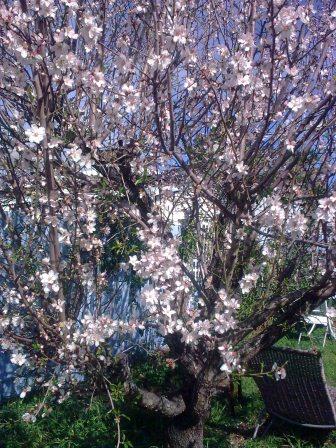
As I can’t be at the garden to squidge caterpillars or green fly, perhaps what I can do is gather the reports together and post second-hand – in between thinning out the newly planted lettuce seedlings and admiring the early ‘spring’ blossom on the almond tree 11,000 miles away. So … the news is that the LRSP gardens are doing well in their second summer. Finally, in August, the sun has shone in South East England; indeed, temperatures have been soaring up to the high 20Cs.

But this has meant again the challenge of keeping the water supplies going. The 210L water butt in the gated plot gets used up very quickly, given that the seven fruit trees alone require around 30 litres each (3 watering cans) at least every two weeks. The second water butt in the shady ornamental plot provides additional supplies as that area tends to dry out less quickly, but the group have had to resort to filling watering cans from Madeleine’s tap.

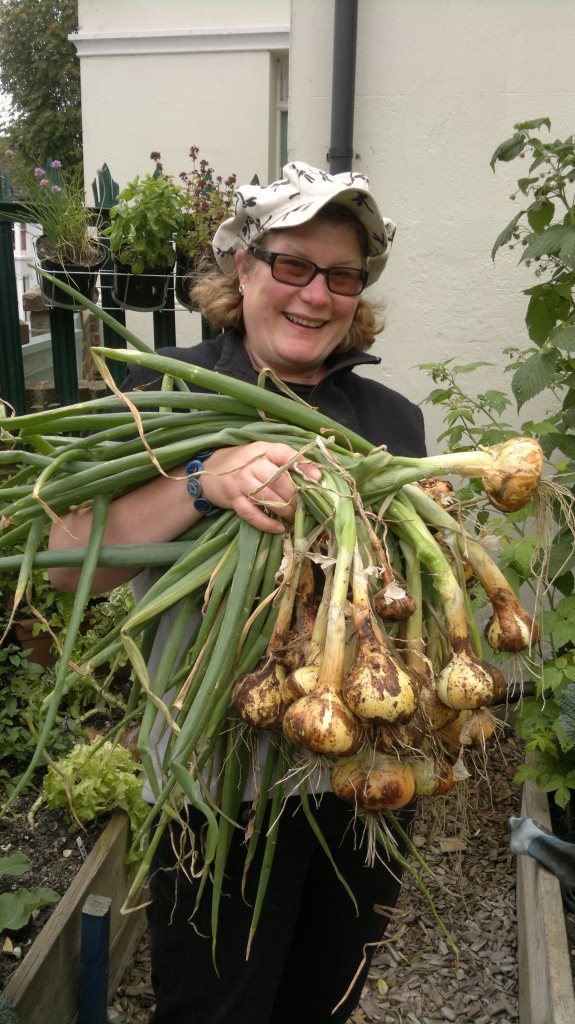
Lettuces, chard and superb onions have been harvested from our raised beds. The onions will now be drying well in the warm weather. They’ve been strung up in our conservatory. Of course, there’s also been the usual mid-summer war of attrition against slugs, snails and particularly caterpillars this year. The kale plants have been badly affected. Much has been harvested, though, and kale soup seems to be one of the ways of using this sometimes tough leafy vegetable. (An aside from down under: interestingly, kale is definitely the in-thing in this very foodie part of Western Australia – I’ve seen it selling in a Fremantle farmers’ market for £3 a small bunch)

 All this harvesting leaves space – for summer planting, to be harvested either in early autumn or to overwinter for next spring. Frisee lettuce has been planted, with seeds designed for late summer sowing, brought back from France. This frisee Wallonne is pretty hardy, so it can normally survive the winter. And the slugs don’t like it. Leeks have also gone in.

I also picked up discussion on about putting in some late climbing bean seeds. Given that we often have warm(ish) weather now until at least mid October, they should have a good chance of cropping. The bean seedlings have been vulnerable to slugs, but organic slug pellets have been used to protect them.

Our ornamental garden too has had attention with dead-heading and tidying up. Late August is never a great time for flowers, I’ve found. They are getting tired, blooms are fading and plants can overgrow, lose their shape and go to seed. Keeping on top of cutting back to encourage new blooms takes time.

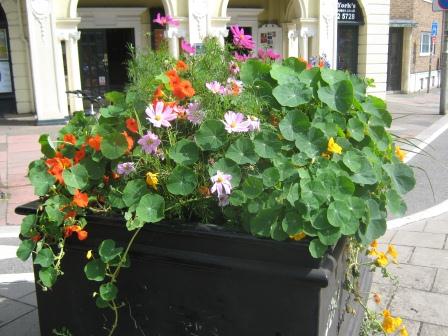
And finally our ‘outreach’ project – planting up the four planters at Preston Circus with ornamentals – is also going well.

The planting we did in June is finally developing with the sunshine, despite attacks of black fly, the occasional impact of Saturday night drinking bouts in this busy area of Brighton and the difficulties of keeping everything watered without any immediate access to water. The small group of committed neighbours who have  got involved with maintaining the planters have done a fantastic job keeping it all going. And the East Sussex Fire Brigade at Preston Circus have been wonderfully cooperative, providing access to water when they can, and even getting out there wielding watering cans!

Posted in Edible growing, Preston Circus planters, Weather | 1 Comment

Gardening upside down

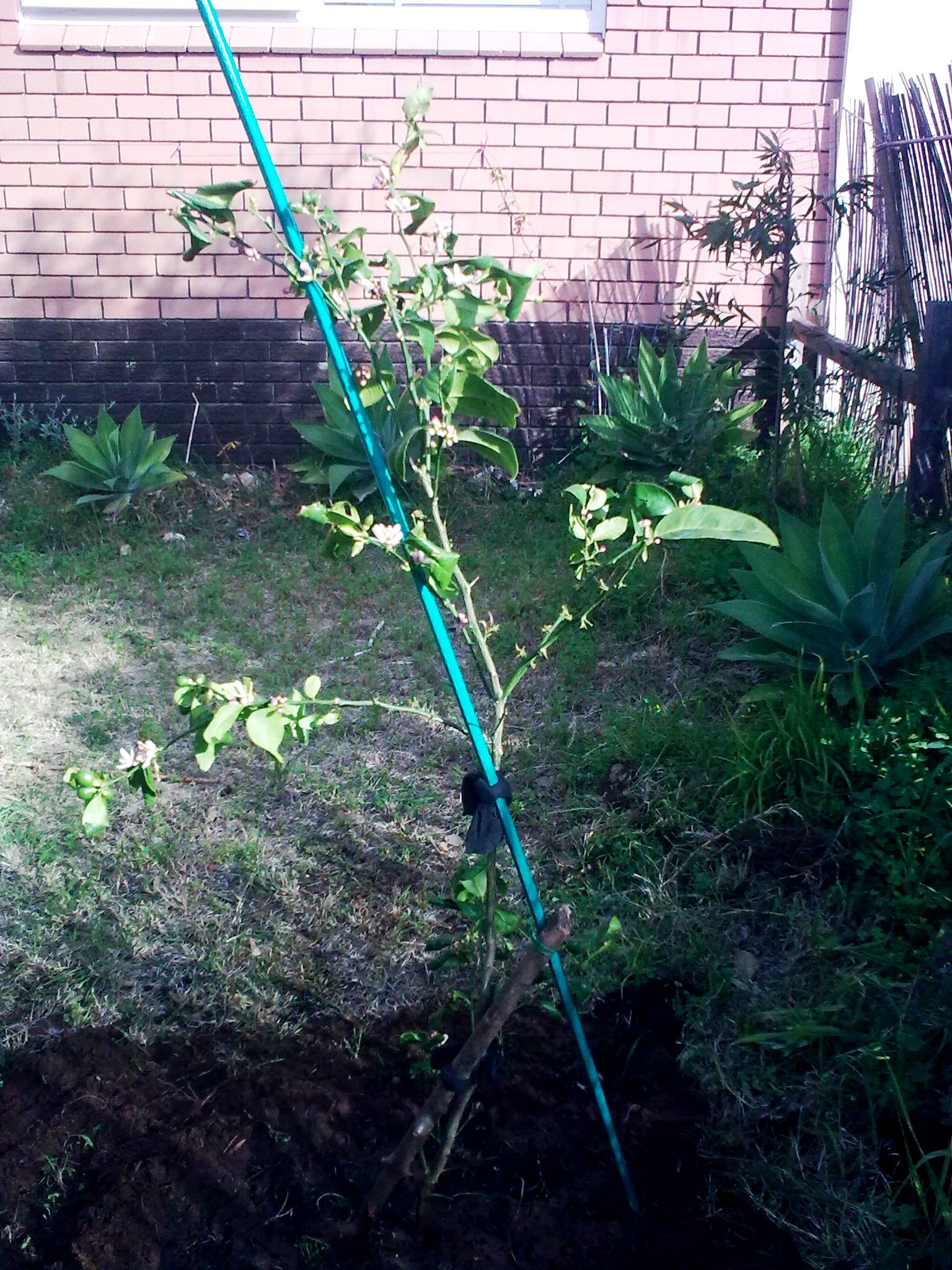
I’ve just planted two fruit trees. But it’s the wrong time! you shout.

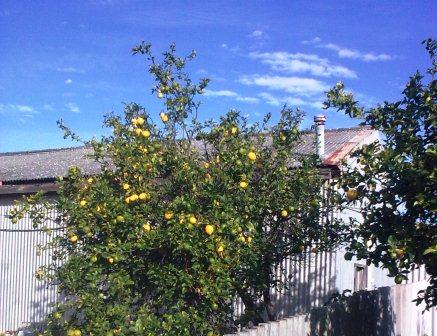
Indeed, but I’m gardening upside down. It’s the end of winter, beginning of spring here in Fremantle, Australia. There are three flowers on the almond tree, we spotted narcissi in the park and trees all around are heavy with yellow lemons. I left the London Road station garden with lettuces growing blousy, some on the point of bolting. Here, the lettuce seedlings have just gone in, though we’re regularly cutting mini-rocket and lambs’ lettuce. The day-time temperatures are in fact similar to an English summer – between 17 and 20C – but if in your summer the temperature regularly goes beyond 40C, then this is cold. It’s also occasionally rainy, so it’s a great time to plant.
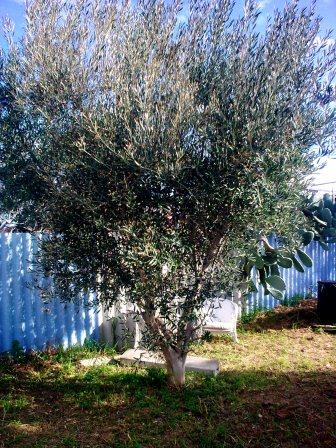
I’ve just planted a lemon and an olive. I was concerned that the effort of digging the planting hole to a diameter of approximately 75cm and a similar depth would be exhausting: it is, on Brighton chalk. But here by the Indian Ocean coast, the ground is basically sand. Digging took no time at all. At least in this particular location, there’s some organic matter in the soil; it looks like dark brown sugar. The Italian immigrants used to have market gardens here. Water, thank-goodness, doesn’t just drain away.
Just as well, as water conservation is a serious business. The basic climate is hot and dry. And this year, the Perth area is suffering from unusually low rainfall. The problem is compounded by the fact that the area is booming, so there’s more and more building, more and more population. We water the plants with grey water from the washing-up and the shower. The water butts here take thousands of litres, not hundreds.

But olives and lemons are tough plants round here. They should thrive on the washing-up water.

Posted in Uncategorized | Leave a comment

More on the Royal Horticultural Society Visit from Mad …

Royal Horticultural Society Judges in the garden

Judges and LRSP Gardeners in the Garden

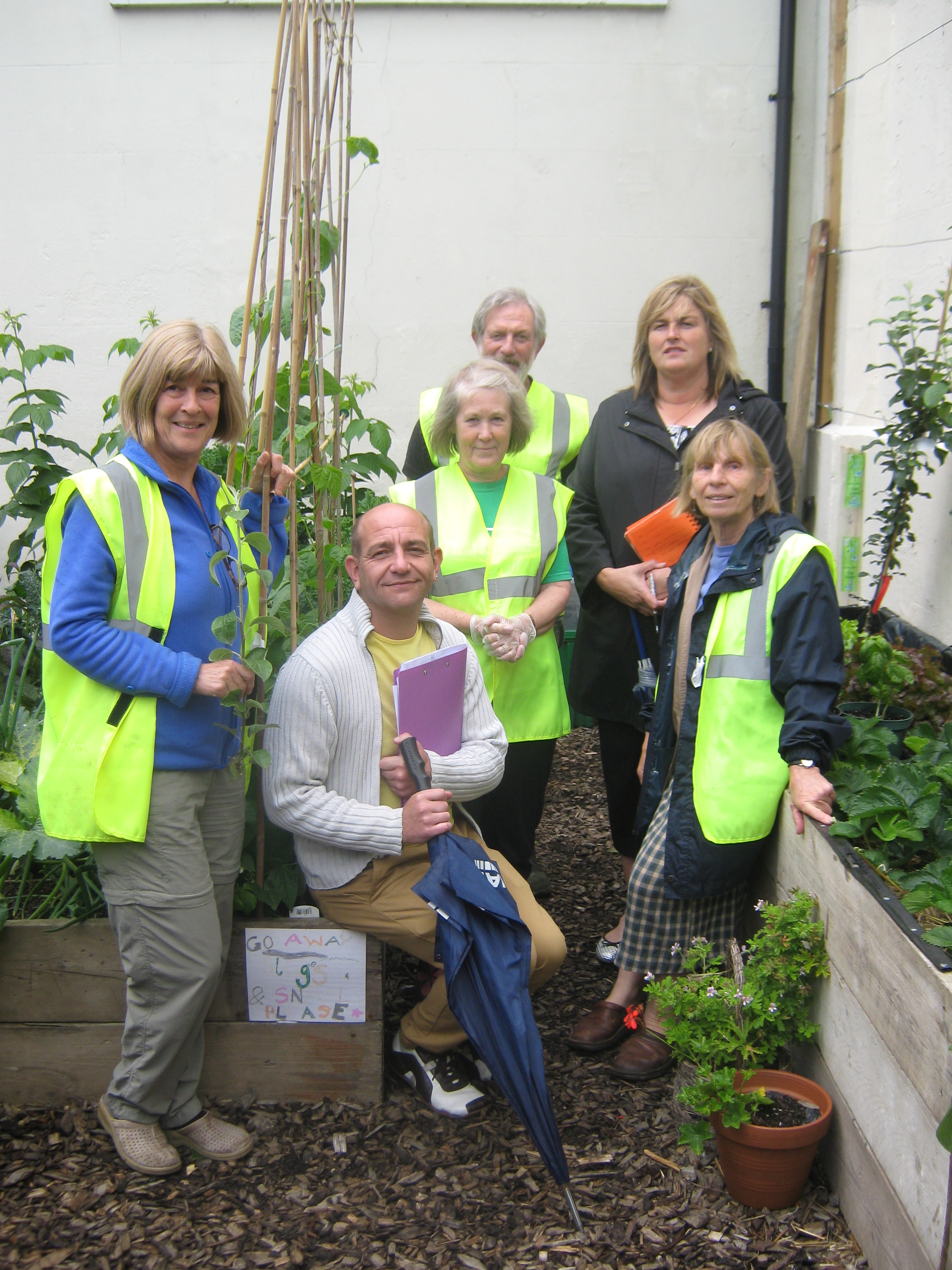
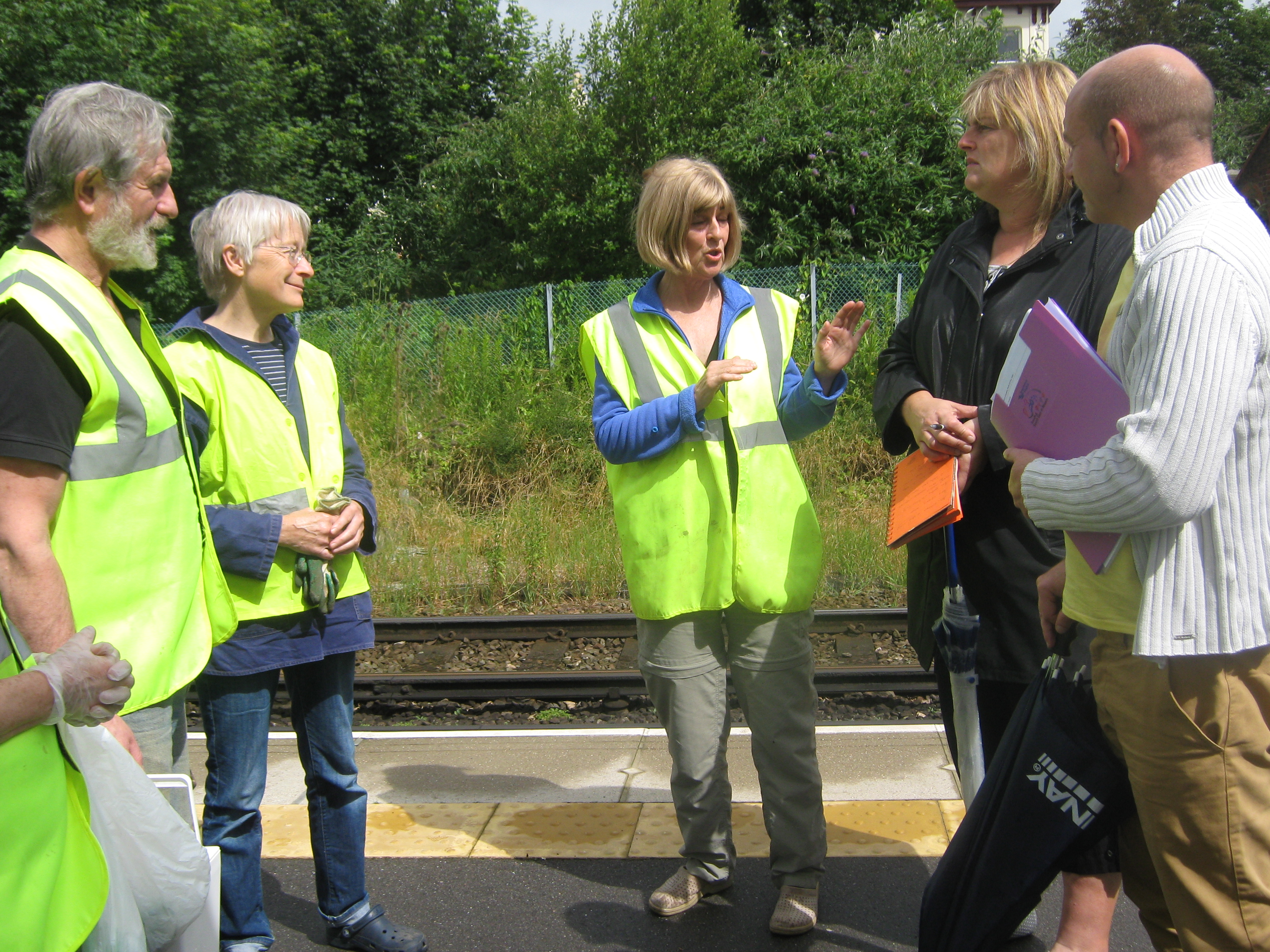
Last week we were visited by the ‘judges’ for our entry into the Royal Horticultural Society’s Britain in Bloom ‘It’s Your Neighbourhood’ scheme. Matt Wakefield, Horticultural Development Officer for Fareham Borough Council, and Joanne Crockford from Ferring Nurseries, came along to inspect our work. Our ‘dear leader’ Elspeth was away on holiday and so a core group of us bravely decided to represent her in meeting the judges and showing them our gardens. Pulses quickened as we awaited the arrival of the RHS judges, even though we had everything looking as spick and span as possible. Mercifully the rain decided to abate for a while. We had no reason to be so nervous. Both Matt and Jo were exceptionally friendly and approachable.
They were full of praise for Elspeth’s written entry to the RHS, which they described as ‘most comprehensive’ and were more than happy with the ‘Grant Tracking’ budget spreadsheet we’d recently put together to reflect income and expenditure in the past year.
As for the actual gardens, the judges were highly complimentary. They were delighted by Diane’s novel idea to cover the top of canes with empty snail shells – an effective measure against eye-poking injuries!
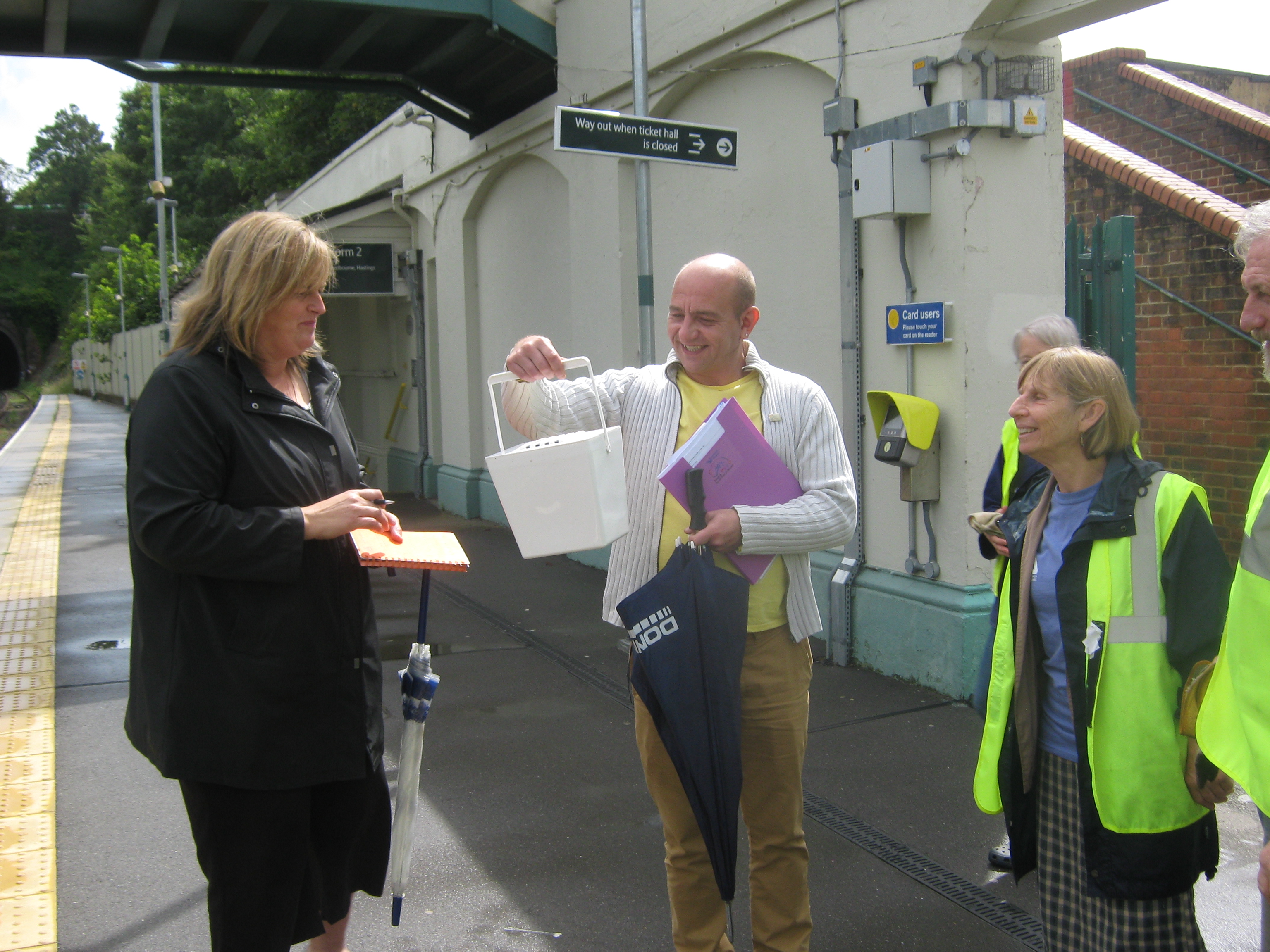
kitchen waste bucket

examining the bucket

They also admired our composting area and were interested in our communal composting efforts – especially intrigued by the little white caddy which ‘Harvest’ gave out to each of us to collect kitchen waste. They has also noticed our planters at Preston Circus and were enthusiastic about our gradual move into the wider communal area. From what they said we learned that we are not the run-of-the-mill community gardeners, but have a quirky ‘edge’ that typifies Brighton. They really did seem to be impressed by every aspect, and – apart from recommending that we weed the whole station concourse, which we duly did that afternoon – were hard-pressed to find areas that needed attention.
rhs judges on London Road platform

Judges on the Platform


The following day, Southern Water, who are major sponsors of Britain in Bloom, sent along Chris Collins, the gardener from ‘Blue Peter’, to appear in some promotional shots at our garden site. Paul Bigsby from Southern Rail was there to meet not just Chris but also the photographer, the PR person, Andy Shaddick from Southern Water and Nick Turrell from Talisman Communications. Add to this those of our members who were able to attend for the shoot and you can imagine we made quite a crowd around the gated vegetable plot. The photographer got several shots with his state of the art camera and we’re hoping to get a copy of them in due course. Chris Collins from Blue Peter was delighted to be involved as he used to go to Falmer School and his mother was a mature student at Sussex, so he knew the station very well from personal experience.
The only downside for us was the fact that Elspeth – who had put so much work into submitting our application to the RHS – was unable to share the extraordinary two days with us.

Posted in Events | Leave a comment

Blue Peter gardener visits …

c. Ciaran McCrickard Connors

The Blue Peter gardener, Chris Collins, came to visit the London Road Station Partnership gardens last week as part of our ‘judging’ for the RHS ‘It’s Your Neighbourhood’ scheme.

c. Ciaran McCrickard Connors


Chris turns out to be a local lad. He grew up in Falmer and remembered the station well. He’s shown above with the display the group prepared for the RHS judges to show the evolution of the gardens.

Posted in Events | Leave a comment