Gardening upside down

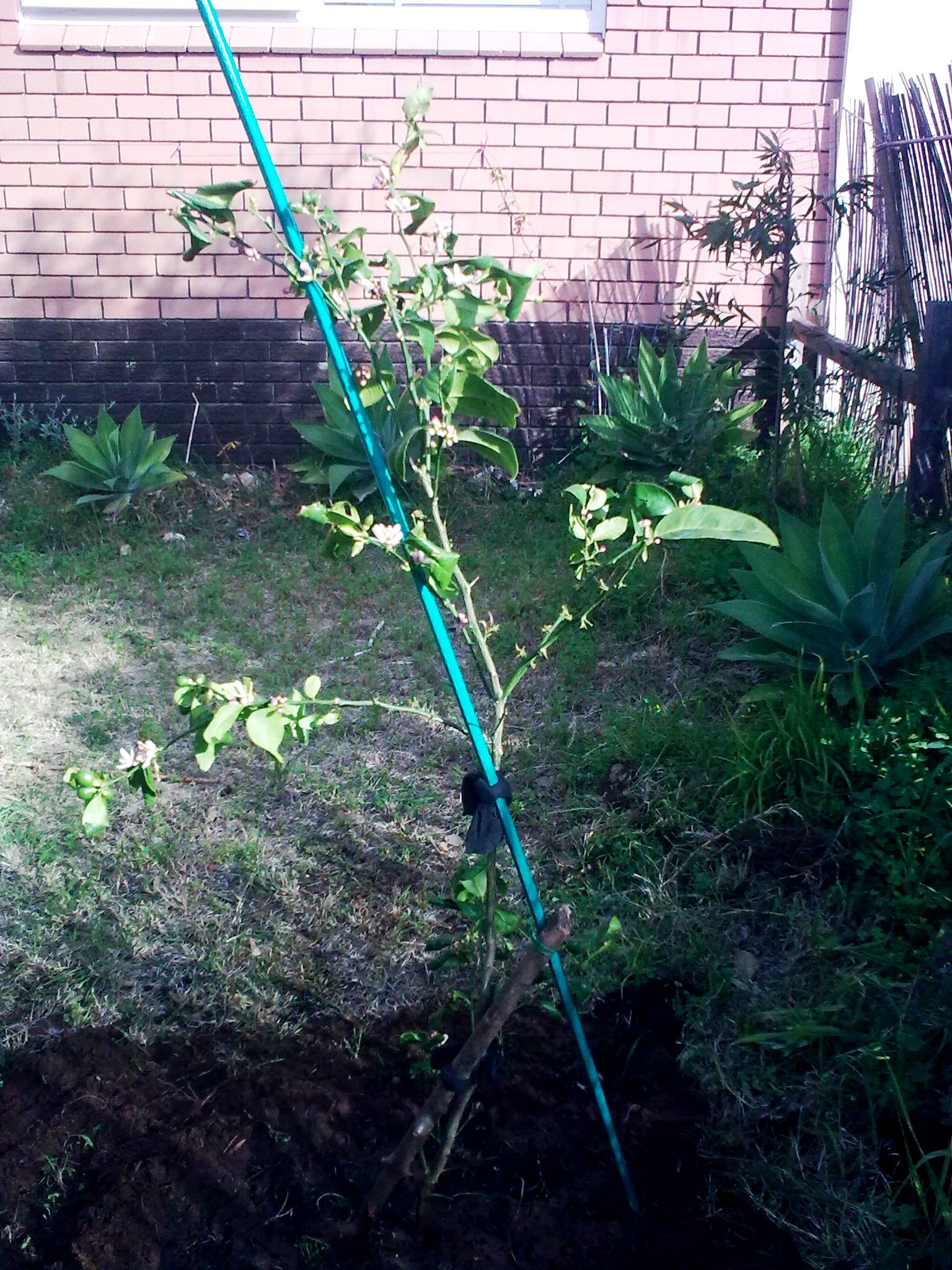
I’ve just planted two fruit trees. But it’s the wrong time! you shout.

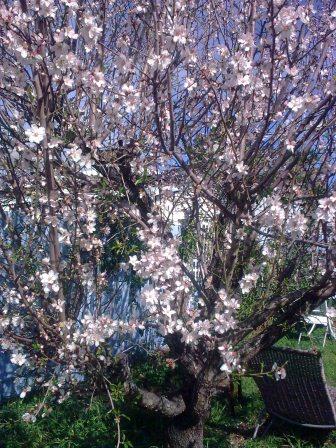
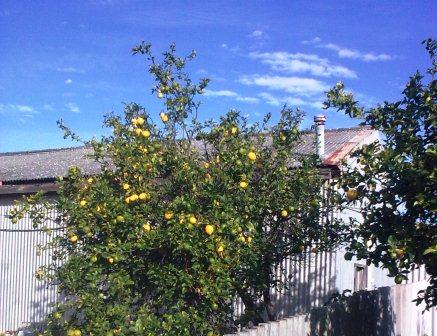
Indeed, but I’m gardening upside down. It’s the end of winter, beginning of spring here in Fremantle, Australia. There are three flowers on the almond tree, we spotted narcissi in the park and trees all around are heavy with yellow lemons. I left the London Road station garden with lettuces growing blousy, some on the point of bolting. Here, the lettuce seedlings have just gone in, though we’re regularly cutting mini-rocket and lambs’ lettuce. The day-time temperatures are in fact similar to an English summer – between 17 and 20C – but if in your summer the temperature regularly goes beyond 40C, then this is cold. It’s also occasionally rainy, so it’s a great time to plant.
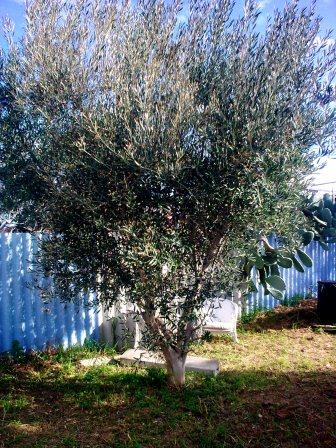
I’ve just planted a lemon and an olive. I was concerned that the effort of digging the planting hole to a diameter of approximately 75cm and a similar depth would be exhausting: it is, on Brighton chalk. But here by the Indian Ocean coast, the ground is basically sand. Digging took no time at all. At least in this particular location, there’s some organic matter in the soil; it looks like dark brown sugar. The Italian immigrants used to have market gardens here. Water, thank-goodness, doesn’t just drain away.
Just as well, as water conservation is a serious business. The basic climate is hot and dry. And this year, the Perth area is suffering from unusually low rainfall. The problem is compounded by the fact that the area is booming, so there’s more and more building, more and more population. We water the plants with grey water from the washing-up and the shower. The water butts here take thousands of litres, not hundreds.

But olives and lemons are tough plants round here. They should thrive on the washing-up water.

Posted in Uncategorized | Leave a comment

More on the Royal Horticultural Society Visit from Mad …

Royal Horticultural Society Judges in the garden

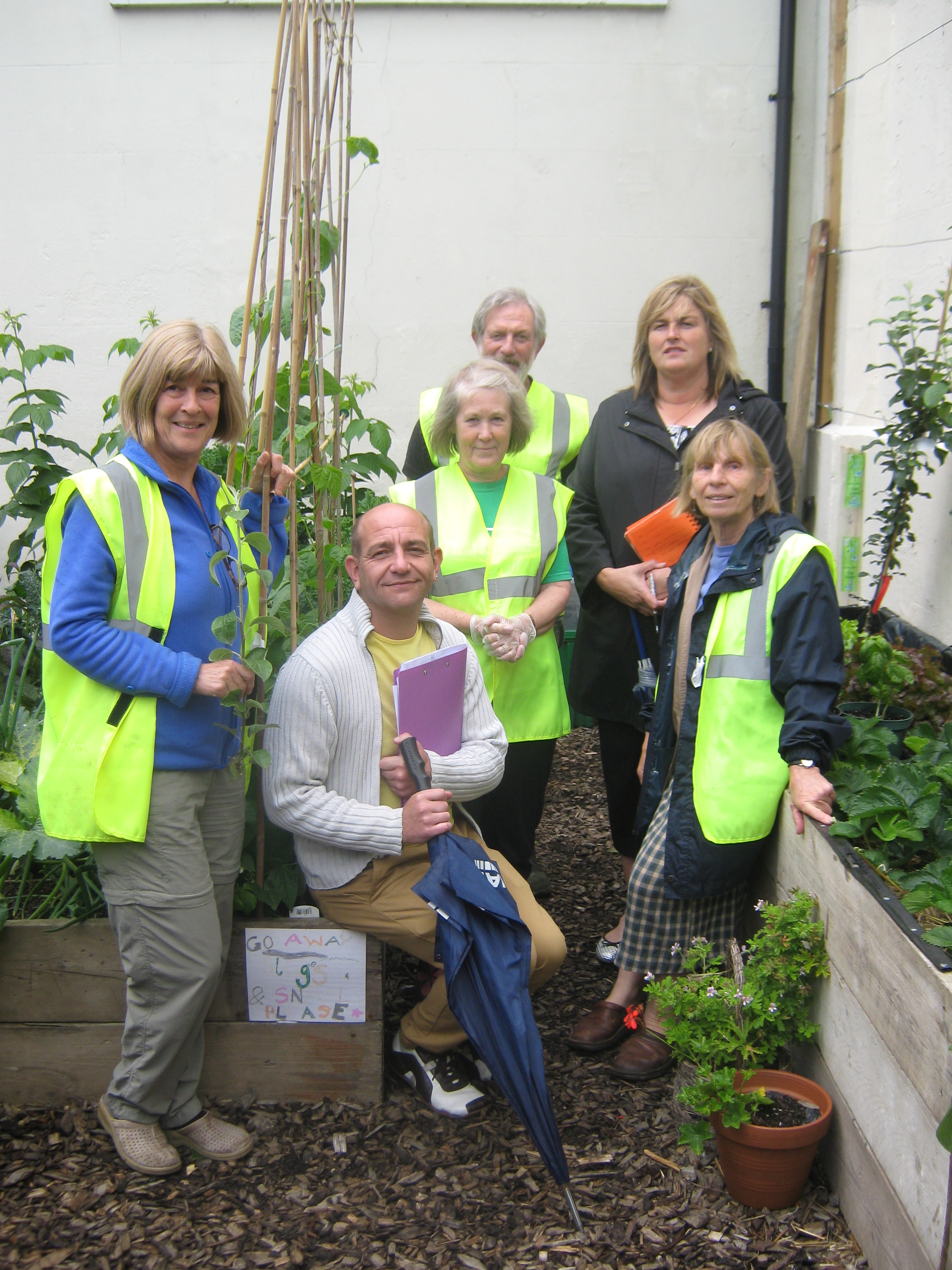
Judges and LRSP Gardeners in the Garden

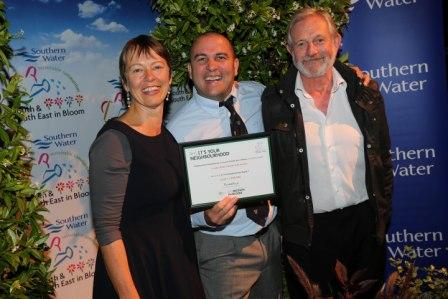
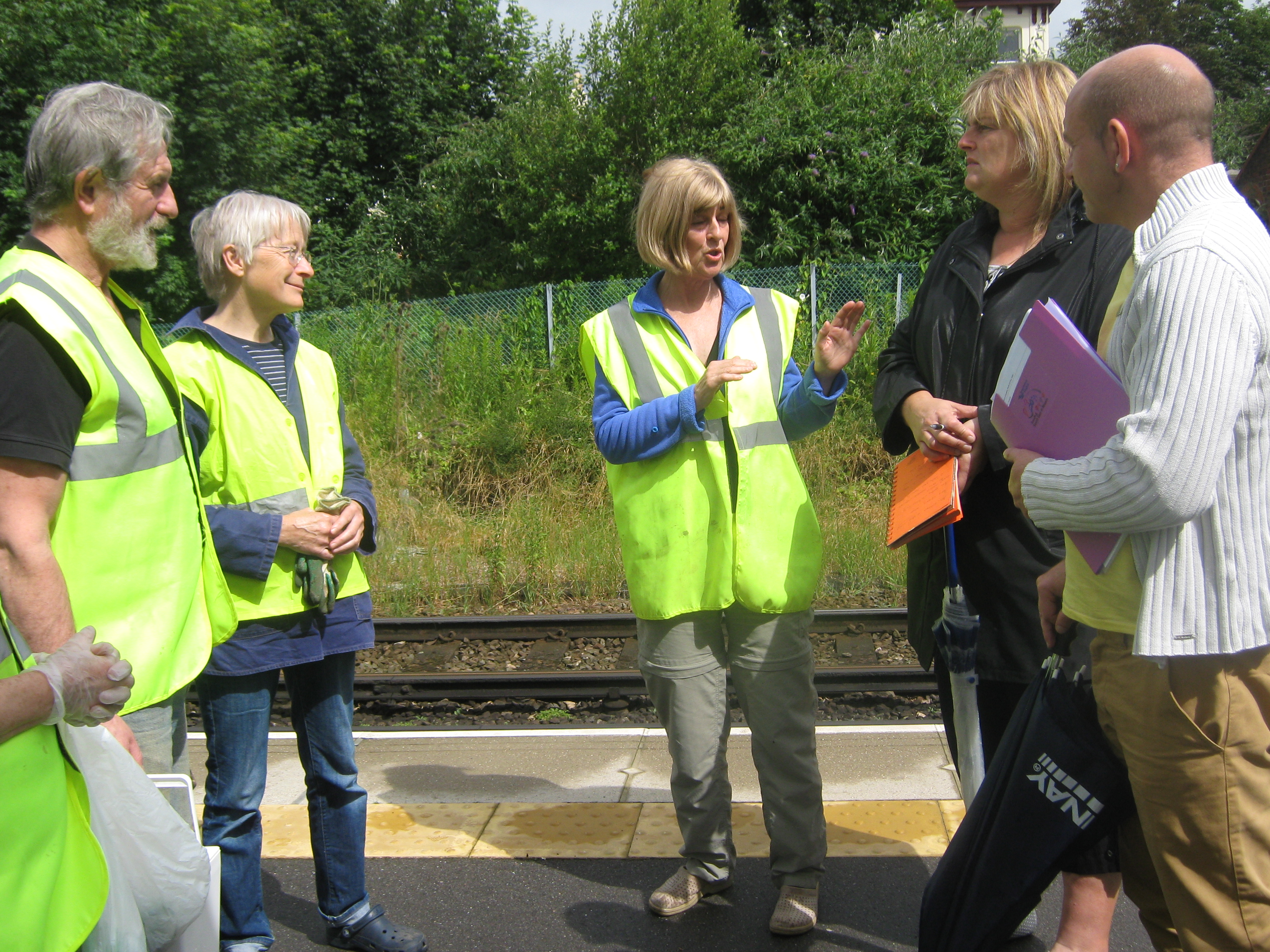
Last week we were visited by the ‘judges’ for our entry into the Royal Horticultural Society’s Britain in Bloom ‘It’s Your Neighbourhood’ scheme. Matt Wakefield, Horticultural Development Officer for Fareham Borough Council, and Joanne Crockford from Ferring Nurseries, came along to inspect our work. Our ‘dear leader’ Elspeth was away on holiday and so a core group of us bravely decided to represent her in meeting the judges and showing them our gardens. Pulses quickened as we awaited the arrival of the RHS judges, even though we had everything looking as spick and span as possible. Mercifully the rain decided to abate for a while. We had no reason to be so nervous. Both Matt and Jo were exceptionally friendly and approachable.
They were full of praise for Elspeth’s written entry to the RHS, which they described as ‘most comprehensive’ and were more than happy with the ‘Grant Tracking’ budget spreadsheet we’d recently put together to reflect income and expenditure in the past year.
As for the actual gardens, the judges were highly complimentary. They were delighted by Diane’s novel idea to cover the top of canes with empty snail shells – an effective measure against eye-poking injuries!
kitchen waste bucket

examining the bucket

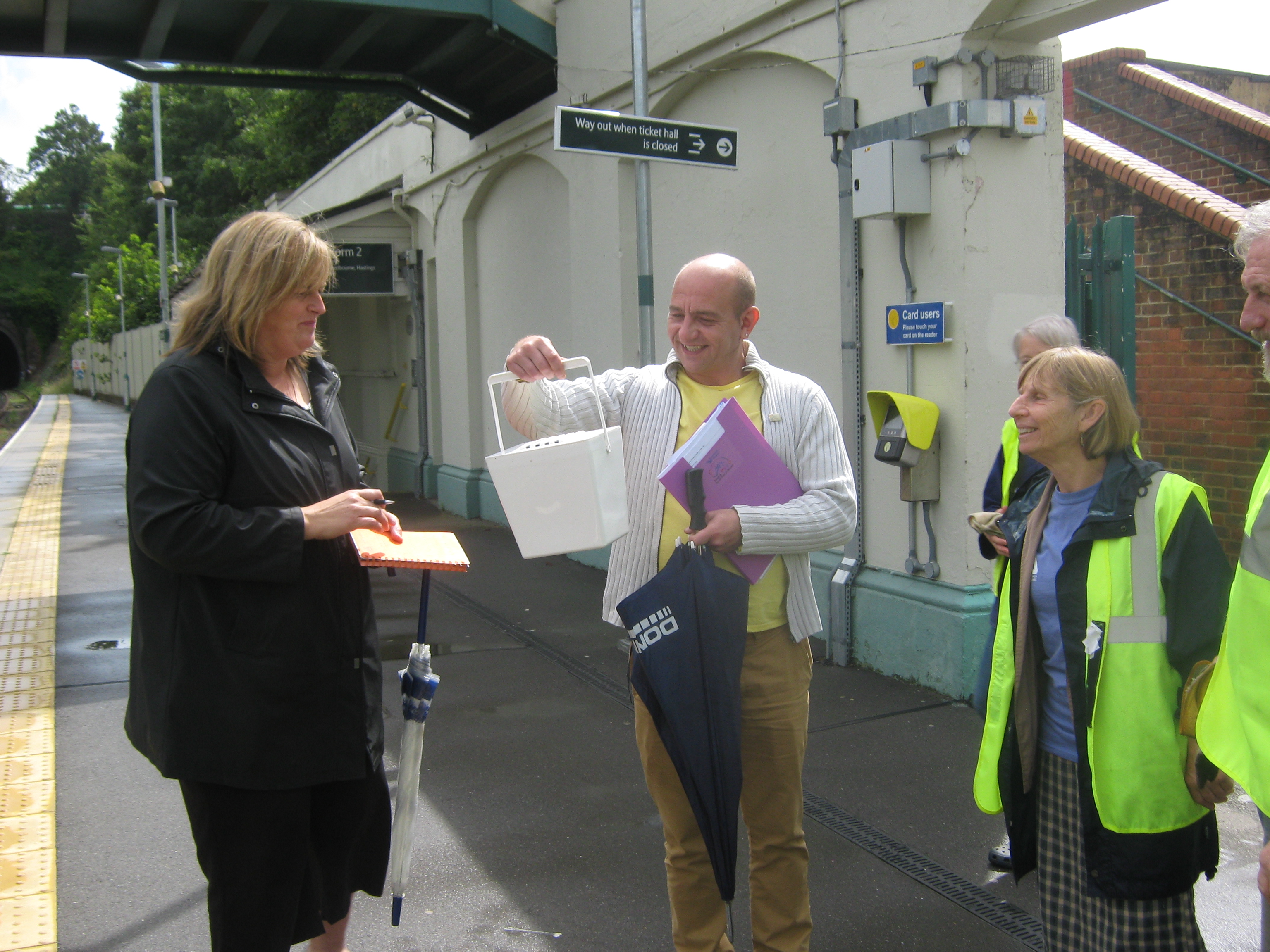
They also admired our composting area and were interested in our communal composting efforts – especially intrigued by the little white caddy which ‘Harvest’ gave out to each of us to collect kitchen waste. They has also noticed our planters at Preston Circus and were enthusiastic about our gradual move into the wider communal area. From what they said we learned that we are not the run-of-the-mill community gardeners, but have a quirky ‘edge’ that typifies Brighton. They really did seem to be impressed by every aspect, and – apart from recommending that we weed the whole station concourse, which we duly did that afternoon – were hard-pressed to find areas that needed attention.
rhs judges on London Road platform

Judges on the Platform


The following day, Southern Water, who are major sponsors of Britain in Bloom, sent along Chris Collins, the gardener from ‘Blue Peter’, to appear in some promotional shots at our garden site. Paul Bigsby from Southern Rail was there to meet not just Chris but also the photographer, the PR person, Andy Shaddick from Southern Water and Nick Turrell from Talisman Communications. Add to this those of our members who were able to attend for the shoot and you can imagine we made quite a crowd around the gated vegetable plot. The photographer got several shots with his state of the art camera and we’re hoping to get a copy of them in due course. Chris Collins from Blue Peter was delighted to be involved as he used to go to Falmer School and his mother was a mature student at Sussex, so he knew the station very well from personal experience.
The only downside for us was the fact that Elspeth – who had put so much work into submitting our application to the RHS – was unable to share the extraordinary two days with us.

Posted in Events | Leave a comment

Blue Peter gardener visits …

c. Ciaran McCrickard Connors

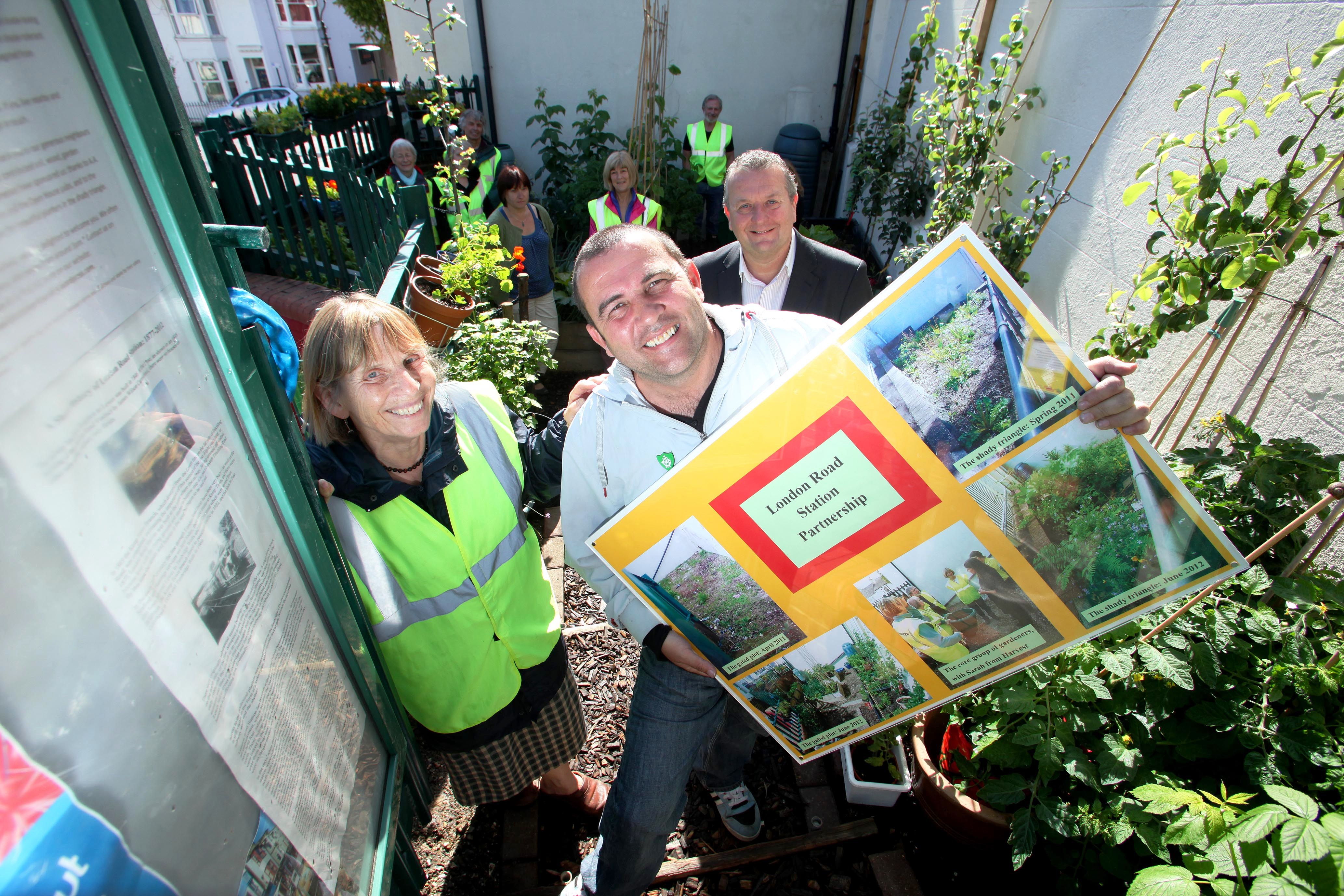
The Blue Peter gardener, Chris Collins, came to visit the London Road Station Partnership gardens last week as part of our ‘judging’ for the RHS ‘It’s Your Neighbourhood’ scheme.

c. Ciaran McCrickard Connors


Chris turns out to be a local lad. He grew up in Falmer and remembered the station well. He’s shown above with the display the group prepared for the RHS judges to show the evolution of the gardens.

Posted in Events | Leave a comment

Preston Circus planted

This afternoon the wind had died down, and it was pleasantly sunny. Finally, we got around to planting up the remaining two planters at the major cross-roads of Preston Circus, and filling the gaps in the two planters we planted back in May.

We’ve had terrible winds torturing plants for the last few days. We had to cancel the planting session on Friday because we feared the wind would destroy any newly planted plants. Sure enough, some of the Cosmos that had established well in the planters outside the Duke of York’s cinema had been broken and uprooted.

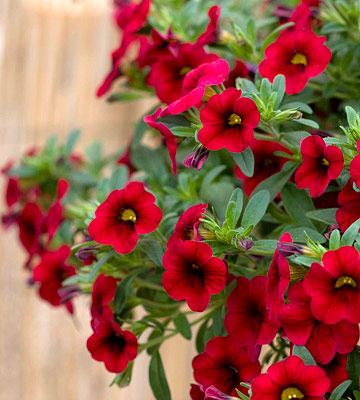
Calinbrachoa

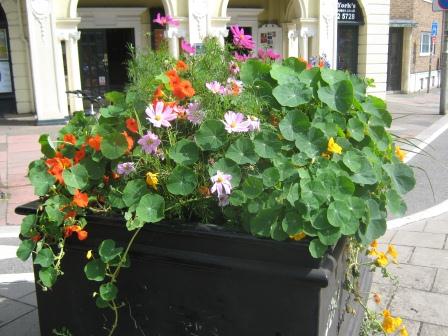
We planted the two remaining planters with both annuals and our remaining perennials. There’s a ‘hot’ planter with reds, oranges and yellow – red hot pokers in the centre, tagetes dotted around, yellow and orange calibrachoa and nasturtium – just outside the Circus Circus.

Further down, in the middle of the lanes of traffic, we’ve planted pink and purple plants: pink and purple calibrachoa, pink petunia, lavender, hemerocallis, sage and verbena bonariensis. Now it’s about water … the planters have been liberally mulched, but with very little shade, they will need watering soon.

Posted in Preston Circus planters, Uncategorized | Leave a comment

Good Gadabout

Well, despite very blustery winds, we had a very enjoyable opening for the Garden Gadabout on Saturday. Probably the most difficult thing was tying up the banner and the notices; string is mischevious in high winds.

We were open on Saturday 23rd June from 11am to 5pm. Our tallies seem to indicate that around 50 people visited the garden, which was really heartening when the weather has been so disagreeable. We hope it made a small contribution to the major fund-raising effort by The Sussex Beacon.

Those of us ‘on the gate’ were admirably supported by other members of the group dropping by to chat, with crispy cakes and a chocolate cake, and numerous trays of tea and coffee.

We spoke to many neighbours, as well as visitors from further afield. It was lovely to hear the enthusiasm of people living locally who told us that they regularly peer through the railings to see how ‘their’ garden is doing. We are lucky to garden in an area where there is a lot of pedestrian traffic. When people walk around their area, they really start to own it.

Two French visitors were also telling me how bureaucratic organising garden visits can be in France, such that often gardens – even large, semi-public ones – don’t open regularly to the public. We of course had done our risk-assessment and health & safety checks, with notices warning of uneven ground and that really scary phenomenon, ‘steps’. Luckily, we didn’t have to use our ‘slippery path’ notice.

Our experience of the Gadabout was a really positive one, and we can only encourage people who may have lovely gardens in our area or further afield in Brighton, to think about opening their gardens next year. We enjoyed receiving visitors, we enjoyed sitting out at the station on what proved to be a reasonable Saturday afternoon, and we hope the whole Garden Gadabout will be a great success for The Beacon.

Posted in Uncategorized | Leave a comment

Our video: relive the mini-orchard event!

Madaleine’s just finished the final edit of our first London Road Station Partnership video. Remember the mini-orchard event back in March? It’s all here …  

Click to view our video!

Posted in Edible growing, Events, Uncategorized, Video | 1 Comment

Garden Gadabout 23rd June


We’re delighted to be ‘opening’ the London Road Station Partnership gardens for the Brighton Garden Gadabout on Saturday 23rd June from 11am to 5pm.

The Garden Gadabout is an opportunity to visit a whole range of private and community gardens in and around Brighton. It raises vital funds for the Sussex Beacon, a care centre supporting people living with AIDS/HIV. Funds are raised via an entrance ‘donation’ and garden sales or activities. The gardens are organised into local trails. We are part of the Fiveways and Roundhill trail. The entrance donation for a single garden is £2 , or a one day ticket provides entry to all the gardens across all the trails for £7.

The London Road Station gardens are not Chelsea show gardens, nor examples of ‘municipal’ style annual planting that used to be typical of station gardens. What they do show is what can be done with two small pockets of waste land and a great deal of enthusiasm, when there is support from the local community.

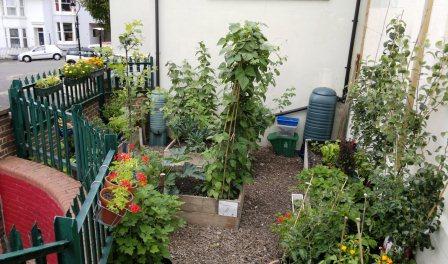
Our shady triangle garden of shade-tolerant ornamental plants (photo above) has been planted almost exclusively with plants propagated and donated by local people. The raised beds in our gated edible growing plot are made from scaffolding planks donated by local companies; our mini-orchard of cordonned fruit trees was sponsored by our local pubs. There’s a story behind every plant and every fixture.

Come along on Saturday 23rd. We’ll be there to tell you the stories, talk about our links with other community gardens, about our trials and tribulations, about composting and cordonning, about London Road Station and its history …

Posted in Uncategorized | Leave a comment

Under the duvet in June

Two weeks ago, I left Brighton in a drought. The water butt in the London Road Station gated plot was empty, it seemed impossible to keep our pots of herbs from drying out, and all activity moved towards the shade of the west wall. I ran round placing all pots in saucers or trays to retain any excess water. We were worrying about the beds with the fruit trees drying out. The days were long, hot and blue-skied. The south wall radiated warmth in the evenings.

I have returned to floods, torrents of water flowing down the streets, water-logged pots and overflowing water butts. The central heating is on, the lights are on – it’s 6.30pm in the evening and it’s still raining. I haven’t yet ventured into the sodden station gardens. I know the slugs have got some of the dwarf beans and the winds will have flattened the flowers in the shady triangle.

This is yet another post about the unhinged weather patterns we’ve had this year. Following on the dry and warm January, cold and icy February, hot March, drenched April and early May, scorching late May, we’ve moved into a cool autumnal June of storms, low grey skies and rain. 

Yes, gardening sometimes feels like a battle – fighting off the squirrels, cats, slugs, snails, aphids, ants, fungi, viruses and blights, and trying to get the right stuff in the soil. And this year, there has been no predictability. We’ve had intense packets of heat, and then of moisture, with no balance. It’s destabilising ..

The weather can be the worst enemy, with an impact both on the physical environment but also on morale. The chard will have blown over, the new seedlings will have been flattened by the wind, the strawberries will be rotting with the damp, let the snails do their worst – I’m curling up under the duvet.


Posted in Uncategorized, Weather | Leave a comment

Of ants and aphids

Several of us have noticed lots of ants swarming up our apple trees. What’s going on? Are the ants doing any damage?

Ants unfortunately are a sign of aphid colonies, and aphids – green and black fly – suck sap, which is bad for our trees. We’ve also noticed a few curled up leaves, and these may also be the result of aphids. What can we do?

  • First the mechanical solution: check both sides of the leaves  and squishany black fly and green fly between human fingers.
  • Second the chemical solution: spray leaves with an organic pesticide based on ‘natural’ chemicals that will break down, such as pyrethrum or fatty acids. We have a spray available in the gated plot.

Aphids are a ‘normal’ part of our growing environment; we’ll try and control them, but they will return. It’s just a case of keeping their presence to a minimum so that plants don’t get weakened.

But having dispensed with aphids, back to the ants … What’s the connection? Ants and aphids are symbiotic. The aphids suck sap and secrete a sweet ‘honeydew’, the ants feed on the honeydew: a perfect relationship, perhaps, but not an equal one. It’s the ants that are the clever manipulators.

They literally ‘farm’ aphids – just like we farm cows – to ensure their honeydew supply. They will gently massage the back and rear end of the aphid to make it produce honeydew on tap. Ants also protect their ‘livestock’ by attacking aphid predators and will even nurture aphid eggs underground in their own nests. Once the aphids hatch out, their ant masters take them back to the host plant to continue producing the sweet, sticky stuff. Get rid of the aphids, and you should get rid of the ants …

More on aphids from the RHS.

Posted in Uncategorized | Leave a comment

Volunteering

We’re always delighted to welcome new people to London Road Station gardens, to do routine maintenance, to develop the ornamental garden, to plant up seedlings etc. Members of the partnership can access the garden when they want, but we usually try to meet on a Tuesday or sometimes on a Thursday: our Work Days page above will tell you more.

We’ll also soon be getting going on replanting the Preston Circus planters, and that’s going to need volunteers to plant and water. I’ll be posting soon about meeting times for that project, but do get in touch if you’d like to be involved: pcplanters@hotmail.co.uk

We’ve also found out that there are all kinds of opportunities in Brighton & Hove to get involved in growing projects: two of our favorite organisations, Harvest and Brighton Permaculture Trust, need volunteers. Harvest are looking for people to help with planting and maintainin the inspirational demonstration garden in Preston Park, while Brighton Permaculture Trust and Fork & Dig It both have activities going on at Stamner Park.

I was up in Stamner Park last Tuesday for Brighton Permaculture’s fruit growing course. It’s an oasis of calm and outdoor activity, within walking distance of Brighton (well, just over an hour from London Road Station). We spent an idyllic afternoon wandering around their various orchards up there, and I looked in on Fork & Dig It’s lovely plot: both projects offer wonderful places to work and relax around vegetable growing and other things.

Here are the details:

Harvest: http://www.harvest-bh.org.uk/events, email harvest@bhfood.org.uk or call 01273
431 700. Work will be starting on the Harvest demonstration vegetable garden
in Preston Park and Harvest will be running monthly volunteer days throughout
the growing season. Join us on Friday 25 and/or Monday 28 May (11am-1pm) for some clearingn and planting. Please contact us to let us know if you plan to attend.

Brighton Permaculture Trust There are lots of  opportunities @ BPT for you to get behind the scenes and help with projects and events like Apple Day, Eco Open Houses, and Green Architecture Day, as well as working and learning on BPT’s Permaculture plot and orchards at Stanmer Park. Click here for more.

Fork & Dig It, the organic community growing project up at Stanmer Organics, is looking for volunteers. Help is needed to harvest, weigh and bag produce for their VegShare, and they’re also looking for volunteer organic growers. For VegShare volunteering please contact Emily on 07969 805795 and to volunteer in the garden call Tim on 07766 972915.

Posted in Uncategorized | Leave a comment